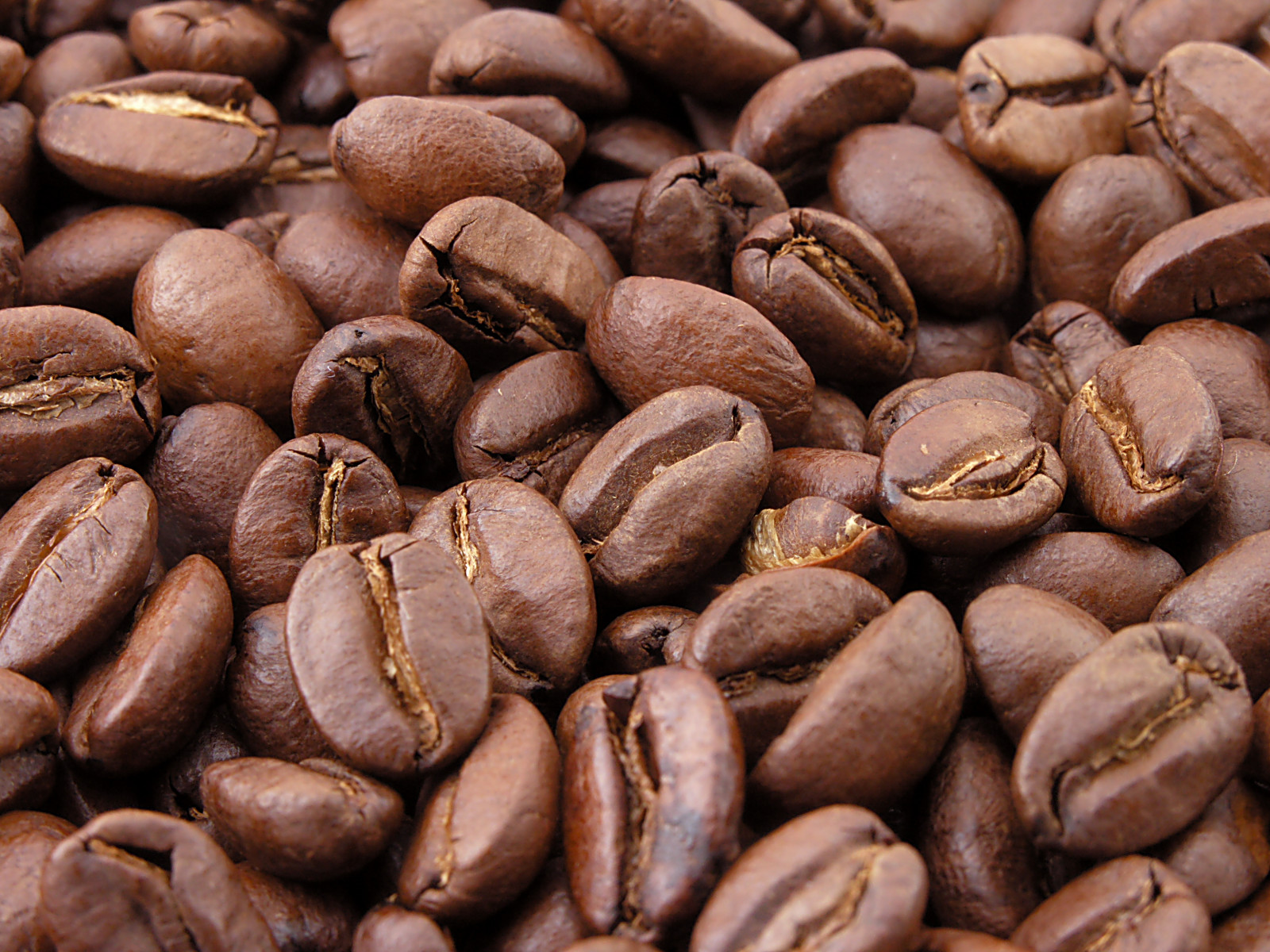
Főszerepben: a kávé
Az újhullámos, nemzetközi nevén third wave kávékultúra előzményei az 1980-as évekig vezethetők vissza, de a 2000-es évek elejétől beszélhetünk nemzetközi trendről, elsősorban az Egyesült Államokban, Ausztráliában, Új-Zélandon és Nyugat-Európában. Megjelenése szorosan kapcsolódik ahhoz a szemléletváltáshoz, amely a kávét tömegtermékből egyedi alapanyaggá emelte. Az első hullám a kávé tömeges elterjedéséről, a második a márkákról és az olasz eszpresszó kultúrájáról szólt, míg az újhullám a minőségre, az eredetre és az elkészítés módjára helyezte a hangsúlyt. Megjelentek a kávépiacon az úgynevezett specialty, vagyis különleges minőségű kávék, melyek minősítését nemzetközi szabvány alapján végzik. A zöld kávét szakértők vakteszten értékelik, amelynek során az illatot, az ízeket, az egyensúlyt és a legapróbb hibákat vizsgálják. Az a kávé számít specialtynek, amely a 100 pontos rendszerben legalább 80 pontot ér el. A minősítés lényege, hogy a kávé eredete és minősége egyaránt ellenőrzött és kiemelkedő legyen.
Az Egyesült Államokban Seattle, majd Portland, San Francisco és New York váltak meghatározó központokká, ahol a kávét már nem tömegtermékként, hanem eredettel, ízprofillal és készítési móddal rendelkező alapanyagként kezdték kezelni. Európában London, valamint a skandináv fővárosok – Oslo, Stockholm, Koppenhága – játszottak kulcsszerepet. A déli féltekén Melbourne és Sydney, Ázsiában pedig Tokió, Szöul és Szingapúr emelkedik ki a specialty kávé szempontjából.
Kialakulásának egyik legfontosabb oka a fogyasztói tudatosság növekedése volt. A bor- és gasztronómiai kultúrához hasonlóan egyre többen kezdtek érdeklődni az alapanyagok származása, feldolgozása és ízprofilja iránt. A kávé esetében ez a termőterületek, a fajták, a feldolgozási eljárások és a pörkölési stílusok iránti figyelemben jelent meg. A közvetlen termelői kapcsolatok, a fair trade és a transzparens beszerzés szintén fontos szerepet játszottak az új szemlélet elterjedésében.
A technológiai fejlődés alapvető feltétele volt az újhullámos irányzat megszületésének. A precíz őrlők, a stabil hőmérséklet- és nyomásszabályozással rendelkező eszpresszógépek, valamint az alternatív filteres eszközök – például a V60, a Chemex vagy az AeroPress – lehetővé tették, hogy a kávé aromái tisztábban és következetesebben jelenjenek meg a csészében. A világosabb pörkölések elterjedése szintén technológiai és szakmai tudást igényelt, hiszen ezek érzékenyebbek az elkészítés hibáira, ugyanakkor jobban megmutatják a kávé eredeti karakterét.
Az újhullámos kávézók nem csupán italokat kínálnak, hanem edukatív terekké is váltak. A barista szerepe átalakult: a kávékészítő egyben magyarázó, tanácsadó és közvetítő lett a termelő és a fogyasztó között. A kávézók belső kialakítása, nyitott pultjai és látványos eszközei is ezt az átláthatóságot és tudásmegosztást szolgálják.
Magyarországon az újhullámos kávékultúra elsősorban Budapesten honosodott meg a 2000-es évek második felétől. A fővárosban jelentek meg először a specialty kávézók, a hazai mikropörkölők és a nemzetközi szinten is sikereket elért baristák, így Budapest mára a régió egyik legerősebb kávés központja. Az elmúlt években az irányzat vidéken is terjedni kezdett: Debrecen, Szeged, Pécs, Győr, Veszprém és Miskolc egyetemi és regionális városként fontos szerepet játszanak az újhullámos kávékultúra országos beágyazódásában.
Kezdetben a külföldi specialty pörkölők kávéi domináltak, majd fokozatosan megjelentek a hazai mikropörkölők is. A baristaképzések, versenyek és nemzetközi kapcsolatok hozzájárultak ahhoz, hogy a szakmai tudás gyorsan fejlődjön. Az elmúlt másfél évtizedben Budapest a régió egyik legerősebb kávés központjává vált, ahol az újhullámos kávézók, pörkölők és baristák aktív közösséget alkotnak.
Bár az újhullámos kávé továbbra is egy szűkebb, tudatos fogyasztói réteget szólít meg, hatása messze túlmutat saját körein. Jelentősen emelte a minőségi elvárásokat, új nyelvet adott a kávéról való gondolkodáshoz, és hozzájárult ahhoz, hogy a kávé Magyarországon is gasztronómiai és kulturális élménnyé váljon.
Starring: coffee
The antecedents of the new wave coffee culture, internationally known as third wave coffee culture, can be traced back to the 1980s, but the early 2000s brought about an international trend, primarily in the United States, Australia, New Zealand and Western Europe. Its appearance is closely related to the change in attitude that elevated coffee from a mass product to a unique raw material. The first wave was about the mass spread of coffee, the second was about brands and the culture of Italian espresso, while the new wave focused on quality, origin and how it was prepared. Specialty coffees appeared on the coffee market, qualified according to international standards. Green coffee is evaluated by experts in a blind test, checking the smell, taste, balance and the smallest defects. A specialty coffee is one if it scores at least 80 out of 100 points. The idea about certification is that both the origin and quality of the coffee must be controlled and excellent.
In the United States, Seattle, then Portland, San Francisco and New York became dominant centres, where coffee was no longer treated as a mass product, but as a raw material with an origin, flavour profile and production method. In Europe, London and the Scandinavian capitals (Oslo, Stockholm and Copenhagen) played a key role. Melbourne and Sydney stand out in the southern hemisphere, and Tokyo, Seoul and Singapore in Asia.
A major reason for this was increased consumer awareness. As with wine and gastronomic culture, more and more people began to take an interest in the origin, processing and flavour profile of raw materials. In the case of coffee, this was reflected in the attention paid to growing areas, varieties, processing methods and roasting styles. Direct producer relationships, fair trade and transparent procurement have also played a key role in the spread of the new approach.
Technological development was a fundamental condition for the birth of the new wave trend. Precise grinders, espresso machines with stable temperature and pressure control, and alternative filter devices such as the V60, Chemex or AeroPress have enabled coffee aromas to appear more clearly and consistently in the cup. The spread of lighter roasts also required technological and professional knowledge, as they are more sensitive to errors in preparation, but they also better show the original character of the coffee.
New wave cafes not only offer drinks, but have also become educational spaces. The role of the barista has changed as they have also become explanators, advisors and mediators between the producer and the consumer. The interior design of the cafes, their open counters and spectacular devices also serve this transparency and knowledge sharing.
In Hungary, the new wave coffee culture became established primarily in Budapest from the second half of the 2000s. Specialty cafes, domestic micro-roasters and internationally successful baristas first appeared in the capital, making Budapest one of the strongest coffee centres in the region. In recent years, the trend has also started to spread in the countryside. Debrecen, Szeged, Pécs, Győr, Veszprém and Miskolc play an important role in the national embeddedness of the new wave coffee culture as university and regional cities.
Initially, coffees from foreign specialty roasters dominated, then domestic micro-roasters gradually appeared. Barista trainings, competitions and international relations have contributed to the rapid development of expertise. Over the past 15 years, Budapest has become one of the strongest coffee centres in the region, where new-wave cafes, roasters and baristas form an active community.
Although new-wave coffee continues to appeal to a narrower, conscious consumer group, its impact goes far beyond its own circles. It significantly raised quality expectations, gave a new language to thinking about coffee, and contributed to making coffee a gastronomic and cultural experience in Hungary as well.