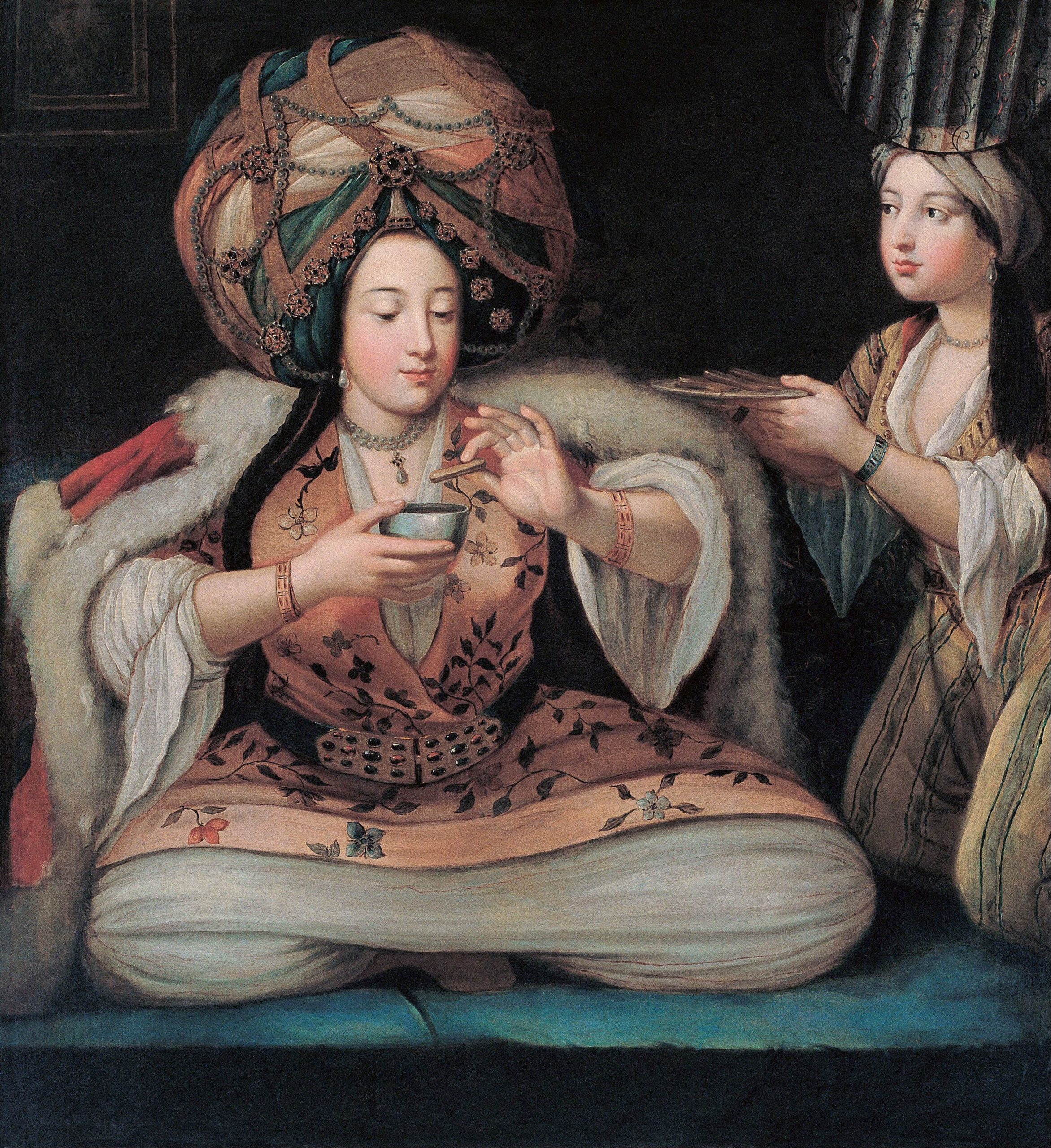
A kávé etimologiája
A kávécserje és a kávébabból főzhető idegzsongító ital felfedezésének egymással nehezen összefésülhető eredettörténetei közt a kelet-afrikai származás mellett szólnak a legnyomósabb érvek. Eszerint a kávé őshazája a mai Etiópia délnyugati részén fekvő Kaffa tartomány volt, onnan indult a 10–11. századtól (a kezdetekben lassú) világhódító útjára az álmot űző, melankóliát gyógyító fekete lé. Az európai nyelvek egymással szoros kapcsolatban álló szava (coffee, caffé, café, Kaffee, koffie stb.) s a magyar kávé szó jól látható alaki hasonlóságot mutatnak e tartománynévvel, mégis elképzelhető, hogy e szóbokor inkább az arab qahwah (sötét ital, bor) kifejezésre vezethető vissza, amelyet mi az oszmán-török kahve közvetítésével vettünk át. Kávé és kávéház szavaink e formájukban csak a 18. század végétől kezdtek meghonosodni a magyarban, a korábbi említések alakjai a 17–18. században a Nyugatot járt magyar diákok és utazók nyelvi ötleteit és zavarát mutatták. A 19. század elején és közepén a hazai cégtáblákon még gyakorta volt olvasható a német Kaffeehaus, majd az 1880-as évektől kezdve (már mindenütt a magyar kávéház szó mellett) az összeurópai kulturális vonzalmat megtestesítő francia café avagy grand café felirat.
The etymology of coffee
Stories of the coffee plant and the discovery of the nerve-chilling drink that can be brewed from coffee beans, which are difficult to combine, the most compelling arguments speak in favour of East African origin. According to this theory, coffee is native to Kaffa Province of what is now Southwest Ethiopia. That is where the dark beverage, which banishes sleepiness and melancholy, has spread from, starting slowly in the 10th or 11th century, and ultimately conquering the world. Closely related words in European languages (coffee, caffé, café, Kaffee, koffie, etc.), as well as the Hungarian word “kávé”, are obviously related to the name of the above province. Still, it is possible that these words (also) originate from the Arabic “qahwah” (dark beverage, wine), which we took over through the Ottoman Turkish word “kahve”. The words “kávé” and “kávéház” found their way to Hungarian in the late 18th century. The terms used before that had stemmed from rather confused linguistic ideas of Hungarian travellers and students in the West in the 17th and 18th centuries. In the early and mid-19th century, sign boards of Hungarian businesses often featured the German word Kaffeehaus. Then, from the 1880s, the French words “café” or “grand café” were added to the ubiquitous Hungarian “kávéház” as an expression of pan-European culture.