„És a jövő…?”
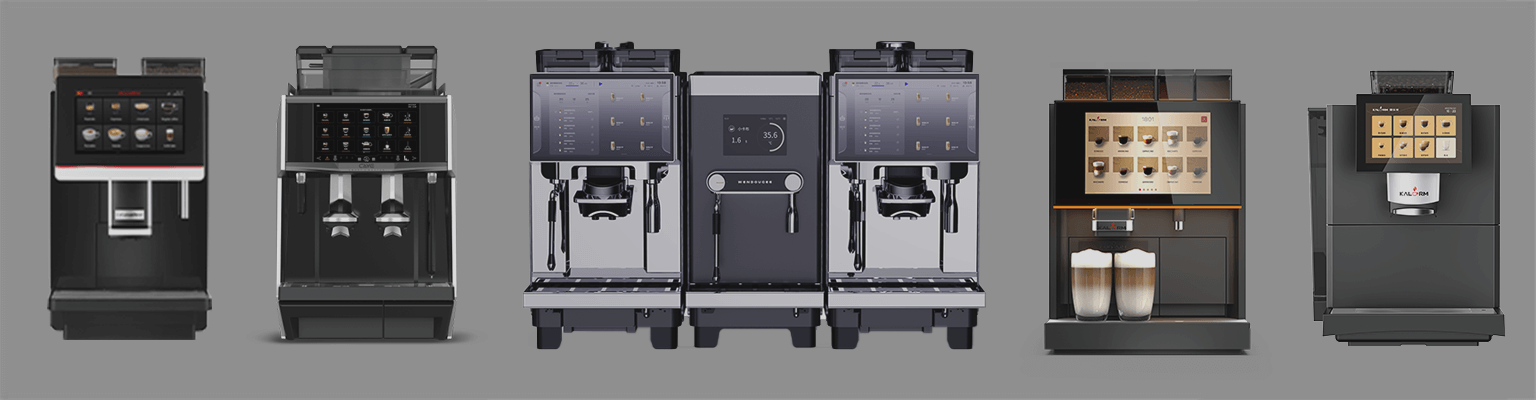
A kínai ipar a kávégépgyártásban – más szektorokhoz hasonlóan – napjainkban készül kitörni, vagy talán már ki is tört az „olcsó, ám gyenge minőségű” kategóriából. Erre példa az itt látható, 2025 nyarán bemutatott, Wendougee Lita elnevezésű félprofesszionális kávégép.
A kiállított modell dual boileres, azaz külön kazánegység felel a kávékészítésért, illetve a gőzölésért. Rendelkezik precíz hőmérséklet-állítással (PID), továbbá különböző nyomásprofilok is beállíthatók rajta. Méreténél fogva a büfék és kisebb kávézók mellett akár egy otthoni konyhapulton is elfér.
A kínai kávégépgyártás jelenlegi csúcsát képviselő cég alig több mint hat éve van jelen az iparágban, műszakilag azonban ugyanazt a szintet képviseli, mint a nagymúltú gyártók. Az igényes otthoni „home barista” közönség mellett a vállalat két-, sőt háromfejes, nagy vendégforgalmú kávézókat kiszolgálni képes gépeket, illetve őrlőket is gyárt – jellemzően az európai és amerikai gyártók árainál jóval olcsóbban, azoknál 25–30%-kal alacsonyabb áron.
A következő évtizedben derül ki, vajon a nagy európai gyártók képesek-e innovációban és árazásban felvenni a versenyt a Kína jelentette kihívással, avagy gépeik végleg a múzeumokba, gyűjtőkhöz kerülnek, mint az ipari örökség korszakalkotó termékei.
“And the future…?”
The Chinese industry in coffee machine manufacturing, as with other sectors, is preparing to break out, or perhaps has already broken out of the „cheap but low-quality” category. An example of this is the semi-professional coffee machine called Wendougee Lita, introduced in the summer of 2025.
The exhibited model has a dual boiler, i.e. a separate boiler unit is responsible for making coffee and steaming. It has precise temperature adjustment (PID) and can be used to set different pressure profiles. Due to its size, it can fit on a home kitchen counter in addition to buffets and smaller cafes.
The company, which represents the current peak of Chinese coffee machine production, has been present in the industry for just over six years, but technically it represents the same level as the long-established manufacturers. In addition to the demanding home barista audience, the company also manufactures two- or even three-head machines and grinders capable of serving high-turnover cafes, typically much cheaper than the prices of European and American manufacturers, and at a price 25-30% lower than those of European and American manufacturers.
The next decade will show whether the major European manufacturers will be able to compete with the challenge posed by China in terms of innovation and pricing, or whether their machines will end up in museums and collectors as epoch-making products of the industrial heritage.