ezezezez eze ezfgb gé gtr gtéogéteog etéog to goéeri go ergoerg ogoer goer ogoearg goe igéoer oear geir goer goéeg éeroi georagoargoéer goer goaergoaeroireoire goiera oar éoag rg roég eaororegoire goergore
ezezezez eze ezfgb gé gtr gtéogéteog etéog to goéeri go ergoerg ogoer goer ogoearg goe igéoer oear geir goer goéeg éeroi georagoargoéer goer goaergoaeroireoire goiera oar éoag rg roég eaororegoire goergore
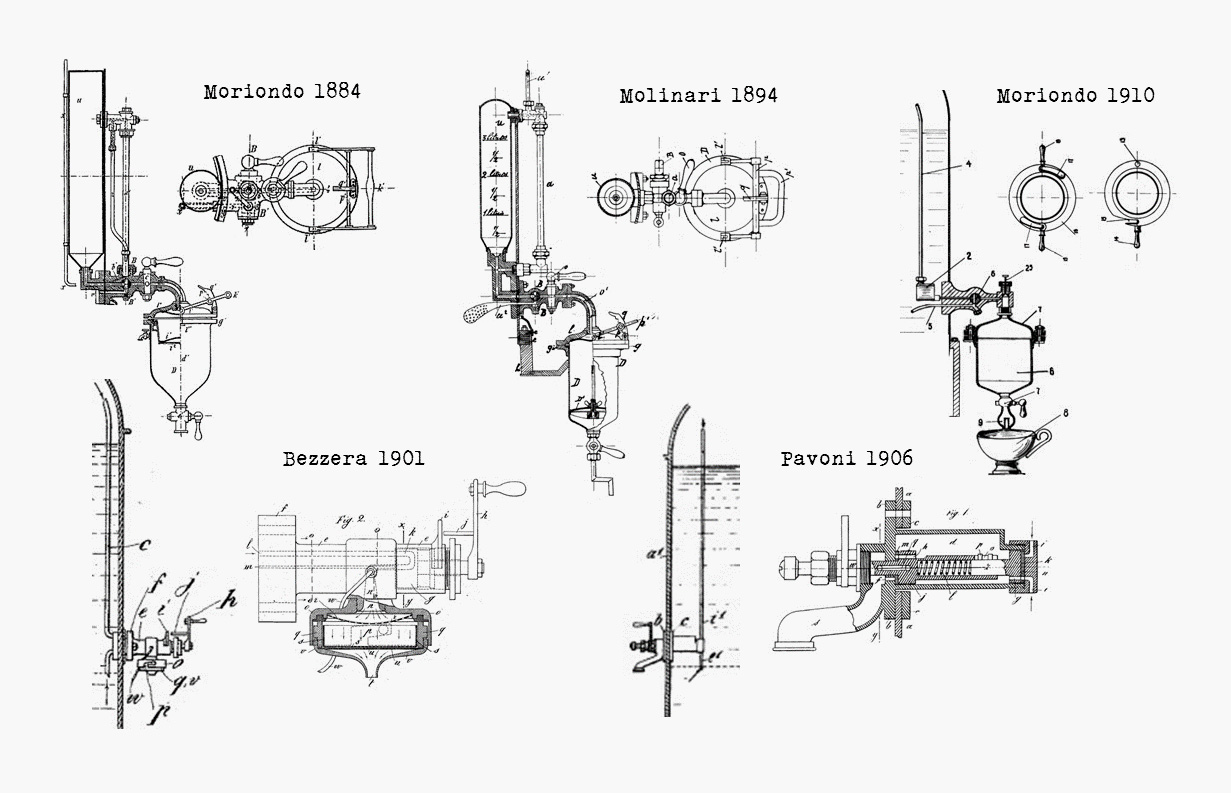
Az első eszpresszógép szabadalma Angelo Moriondo nevéhez köthető, akinek 1885-ös szabadalma megalapozta az eszpresszókészítés technológiai fejlődését.
Az eljárást a későbbiekben több feltaláló továbbfejlesztette és leegyszerűsítette, közülük kiemelkedik Luigi Bezzera, aki 1901-ben tökéletesítette a kávéfőzés folyamatát, és ezzel megteremtette a modern eszpresszókészítés alapjait. Az ezzel a technológiával készített kávéital tetején azonban még hiába keresnénk a jól ismert “crema”- réteget; az majd csupán Achille Gaggia korszakos találmányát követően jelenik meg. Erről a témáról bővebben a Gaggia Gilda tárgyfeliratában olvashatsz.
A korszak eszpresszógépeinek központi eleme egy vertikálisan elhelyezett, nagyméretű, ónbevonatú rézkazán volt, amely a kávékészítéshez szükséges víz felmelegítésére szolgált. A vízmelegítés kezdetben gázégő segítségével történt; ezeknél a gépeknél a kazán közepén egy kémény helyezkedett el. A későbbi fejlesztések során megjelent az elektromos fűtés is: nagy ellenállású fűtőszálakkal működő rendszerek váltották fel a nyílt lángot, a kémény elhagyásával.
A gépek tetején minden esetben megtalálható volt egy biztonsági szelep, amely megakadályozta, hogy a kazán túlnyomás miatt felrobbanjon, valamint egy nyomásmérőn keresztül az operátor nyomon követhette és beállíthatta a kávékészítéshez szükséges nyomást. A gázüzemű gépeknél ennek eléréséhez a láng erősségét manuálisan kellett szabályozni. A kazánhoz egy vízszintjelző üvegcső is csatlakozott, amely lehetővé tette a víz mennyiségének folyamatos ellenőrzését.
A kávékészítéshez használt főzőfejen általában egy vezérlőcsap kapott helyet, amely a víz és a gőz áramlását szabályozta a főzőkamrába. A főzőfejhez az operátor egy őrölt kávéval töltött szűrőkosarat rögzített, speciális, gyorskioldású, bajonettzáras megoldással.
Amikor a rendszer készen állt a főzésre, és a kazánban kialakult a megfelelő nyomás, az operátor elfordította a főzőfejen található vezérlőcsapot. Ennek hatására a kazánban lévő, túlnyomás alatt álló víz beáramlott a főzőfejbe, majd a gőznyomás segítségével a kávé felé haladt. A csapolás befejezésekor az operátor a vezérlőcsap elfordításával egy hosszú csövön keresztül a kazán tetejében lévő gőzt vezette a főzőfejhez, amely átpréselte a maradék vizet az őrölt kávén. A folyamat végén a csap elzárásával lezárult a kávékészítés, és a szűrőkosár újratöltésével megkezdődhetett a következő adag elkészítése.
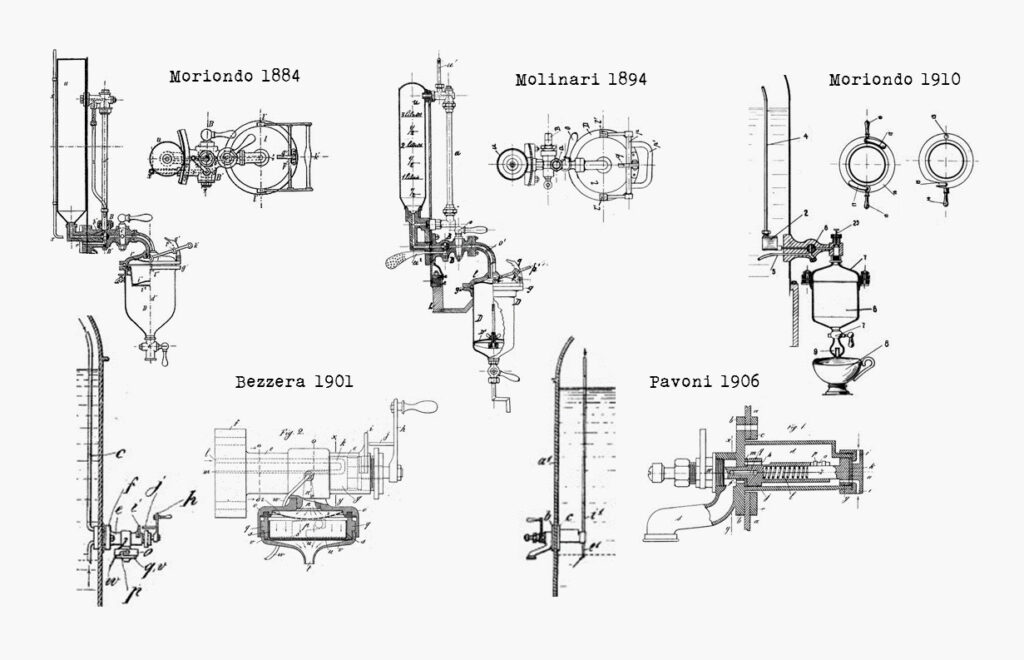
The patent for the first espresso machine can be linked to Angelo Moriondo, whose patent in 1885 laid the foundations for the technological development of espresso making. The process was later improved and simplified by several inventors, most notably Luigi Bezzera, who perfected the process of brewing coffee in 1901 and thus laid the foundations for modern espresso making. However, on top of a coffee drink made with this technology, you will not see the well-known “crema” layer. It will only appear after the epochal invention of Achille Gaggia. You can read more about this in the inscription of Gaggia Gilda.
The central element of the espresso machines of the era was a vertically positioned, large, tin-plated copper boiler that served to heat the water needed to make coffee. Water was initially heated with a gas burner. These machines came with a chimney in the middle of the boiler. Subsequent improvements included electric heating. The open flame was replaced by systems operating with high-resistance heating elements, and the chimney was eliminated.
Each machine came with a safety valve on the top to prevent the boiler from exploding due to overpressure. A pressure gauge enabled the operator to monitor and adjust the pressure needed to make coffee. In the case of gas-powered machines, flame intensity had to be manually controlled to achieve this. The boiler was also connected to a glass pipe for water level indication for continuously monitoring the amount of water.
The brewing head used for making coffee usually had a control tap that regulated the flow of water and steam into the brewing chamber. The operator attached a filter basket filled with ground coffee to the brewing head, with a special quick-release bayonet closure solution.
When the system was ready to brew and the boiler had the correct pressure, the operator turned the control tap on the cooking head. This caused the pressurized water in the boiler to flow into the brewing head and then steam pressure made it travel towards the coffee. When tapping was completed, the operator directed the steam from the top of the boiler to the brewing head through a long pipe by turning the control tap, which squeezed the remaining water through the ground coffee. At the end of the process, the coffee preparation was completed by turning off the tap, and the preparation of the next batch could begin by refilling the filter basket.
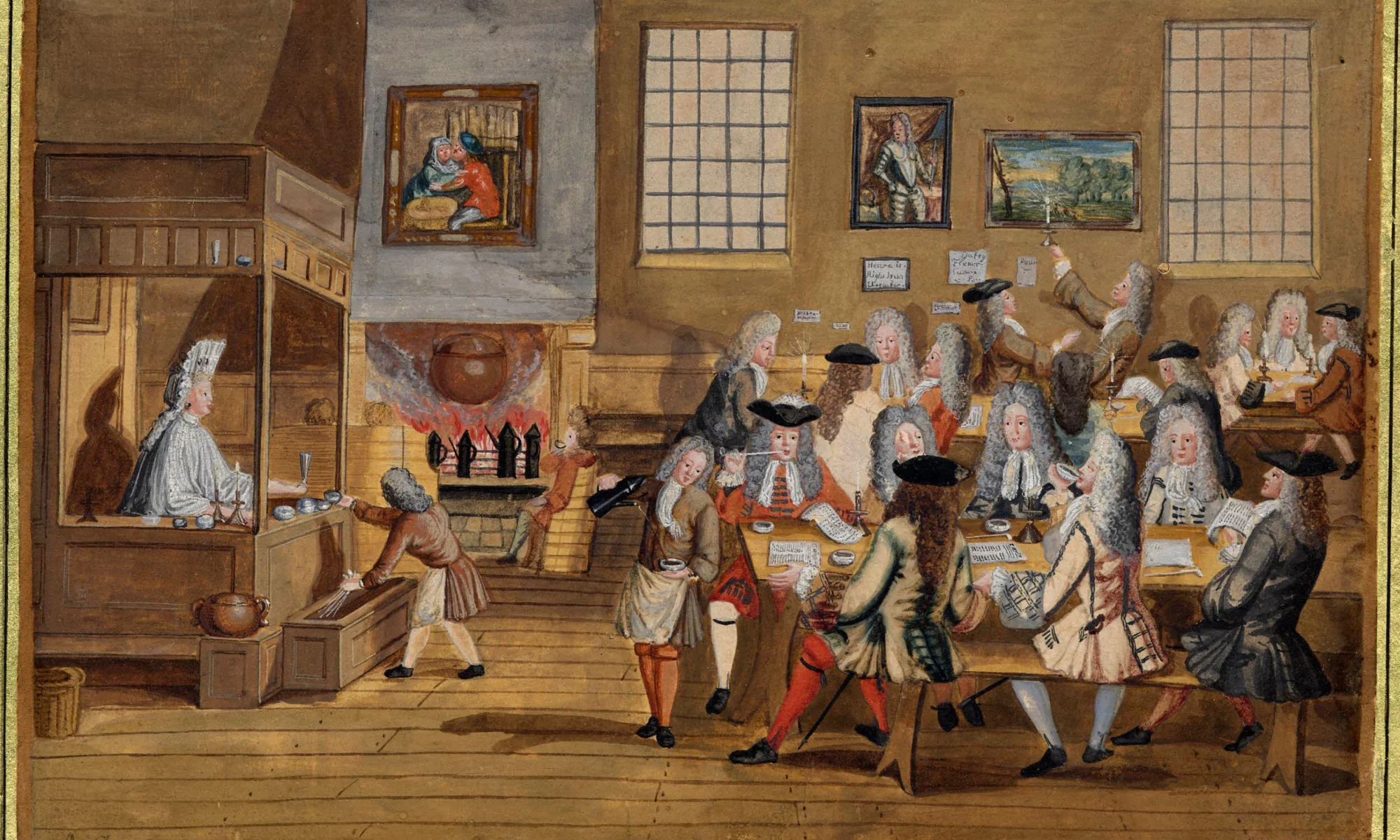
A fazékban, illetve kondérban főzött kávé készítésének hagyománya a 14. századtól kezdve évszázadokon át megőrizte egyszerűségét és közösségi jellegét. A földrajzi adottságoktól függően agyagból, rézből vagy vasból készült edényeket használtak, amelyek praktikus és széles körben elérhető megoldást jelentettek a kávéfőzéshez. A kondéros kávé idővel nemcsak az otthonokban, hanem az első kávéházakban is elterjedt, hiszen nagy űrtartalmának köszönhetően egyszerre több vendég kiszolgálására is alkalmas volt.
A kávé elkészítése ebben az esetben rendkívül egyszerű módon történt. A kondérban közvetlen hőforrás – leggyakrabban nyílt láng – felett melegítették fel a vizet, majd a forráspont közeli hőmérséklet elérésekor hozzáadták a finomra őrölt kávét. Az italt folyamatos kevergetés mellett főzték, amíg el nem érte a kívánt erősséget.
Az őrlemény szemcsemérete kulcsfontosságú szerepet játszott a folyamatban. A finom őrlemény egyrészt elősegítette, hogy a kávé íz- és illatanyagai teljes mértékben kioldódjanak a főzés során, másrészt az apró szemcsék az elkészült ital aljára süllyedtek. Ennek köszönhetően a kávé kiöntésekor a felszín tiszta maradt, és az ital zavaró kávédarabok nélkül volt fogyasztható.
Egy új eljárás, a lombik
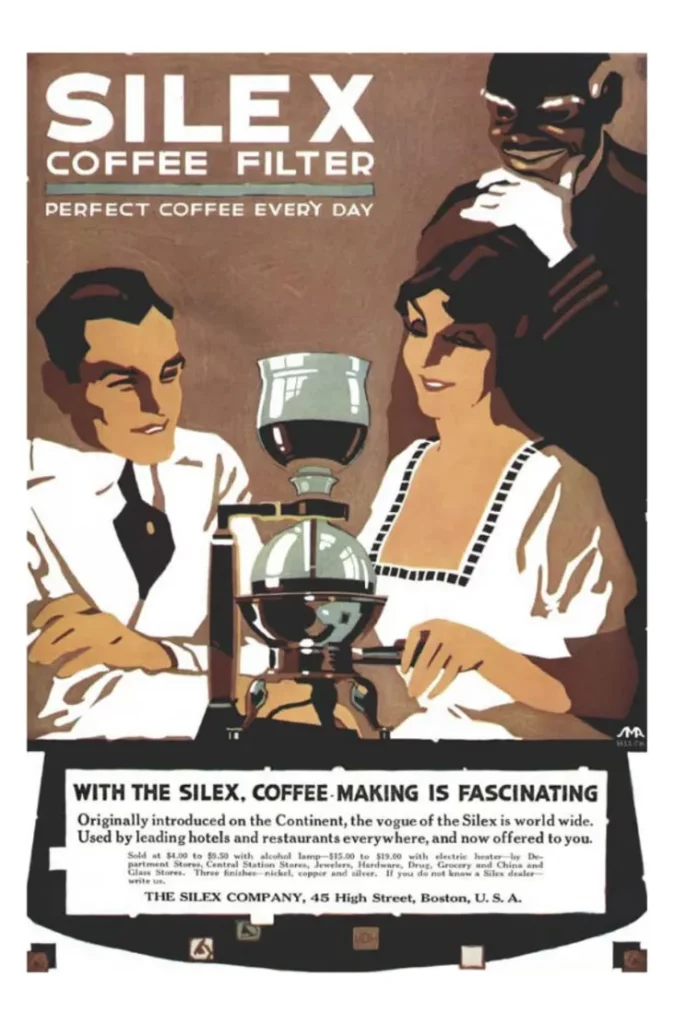
A lombikos kávékészítés az egyik leglátványosabb eljárásnak mondható, miközben jól szemlélteti a fizika néhány alapelvét. A kávéfőző lombikot 1830-ban szabadalmaztatta egy bizonyos Loeff nevű berlini feltaláló. Bár ez az eljárás nem volt alkalmas a későbbi eszpresszógépekhez hasonlóan nagy mennyiségű kávé gyors előállítására, az elv, amely mentén működött, nagyban segítette a kávéfőzés evolúcióját.
A lombik lényegében két részből áll. Az alsó, üvegből készült kamrája egy tömítéssel van elválasztva a felső kamrától, hogy a gőz, illetve a később az elkészült kávé ne tudjon elszivárogni. Az alsó kamra és a felső kamra közötti egyetlen kapcsolat egy hosszú cső, amely a főzővízbe merül. A felső kamrában található még egy szűrő, amely készülhet fémből vagy szövetből, de akár papírból is.
Ahogy az alsó kamrát egy hőforrással felmelegítik, a benne található víz párologni kezd és gőzt képez. Ahogy a gőz felhalmozódik és tágul, az alsó kamra nyomása emelkedik. Mivel a gőznek nincs hova távoznia, így kiszorítja a kamrában lévő vizet a csövön keresztül, és a felső főzőkamrába kényszeríti azt.
Ekkor a víz a felső kamrában összekeveredik az őrölt kávéval, így megkezdődik a főzés. Ebben a szakaszban az alsó kamrában lévő víz hőmérséklete még 100°C alatt marad, mivel nem forr teljesen: csak annyi vízgőz keletkezik, amennyi a zárt térben elegendő túlnyomást hoz létre ahhoz, hogy a víz a gravitáció hatásával szemben a csövön keresztül a felső kamrába áramoljon.
A gőz és az alsó kamrában maradt víz azonban továbbra is melegíti a szerkezet. Ezen hő egy része átadódik a főzővíznek, így a hőmérséklet magas marad, vagy akár még emelkedik is a főzés során.
Amint a kávékivonatolás elkészül a felső kamrában, a hőforrást eltávolítják. Ekkor az alsó kamrában lévő gáznyomás a külső légköri nyomás alá csökken, megindul a nyomáskiegyenlítődés folyamata. A lehűlés során a vízgőz kondenzálódik, ezzel részleges vákuum keletkezik az alsó tartályban. Ez a nyomáskülönbség gradiens formájában jelenik meg, amely a felső kamrában lévő folyadékot a szűrőn keresztül visszaszívja az alsó kamrába. A szűrő mechanikusan visszatartja az őrölt kávészemcséket, így a visszaáramló folyadék már tiszta, homogén kávéoldatként gyűlik össze az alsó részben.
The tradition of making coffee brewed in pots and cauldrons has preserved its simplicity and communal character for centuries from the 14th century. Depending on the geographical conditions, pots made of clay, copper or iron were used, which were a practical and widely available solution for brewing coffee. Over time, coffee in a pot spread not only in homes, but also in the first coffee houses, as the large capacity allowed for serving several guests at the same time.
The preparation of coffee in this case was done in an extremely simple way. The water was heated in the pot over a direct heat source, most often an open flame, and then finely ground coffee was added when a temperature close to the boiling point was reached. The drink was brewed with constant stirring until the desired strength was reached.
The grain size of the grind played a key role in the process. On the one hand, the fine grind helped the flavours and aromas of the coffee to completely dissolve during brewing. On the other hand, the small particles sank to the bottom of the finished drink. This helped preserve the clean surface when the coffee was poured and the drink could be consumed without disturbing coffee pieces.
A new process, the flask
Flask coffee making is one of the most spectacular processes, while it illustrates some basic principles of physics. The coffee flask was patented in 1830 by an inventor called Loeff from Berlin. Although this process was not suitable for the rapid production of large quantities of coffee like later espresso machines, its working principle greatly helped the evolution of coffee brewing.
The flask essentially consists of two parts. Its lower, glass chamber is separated from the upper chamber by a gasket to prevent steam and coffee from escaping. The only connection between the lower and upper chambers is a long tube immersed in the brewing water. The upper chamber includes a filter made of metal, fabric or even paper.
As the lower chamber is heated with a heat source, the water inside begins to evaporate and form steam. As the steam accumulates and expands, the pressure in the lower chamber rises. Since the steam has nowhere to escape, it pushes the water in the chamber out through the pipe and forces it into the upper chamber.
At this point, the water in the upper chamber mixes with the ground coffee, so brewing begins. At this stage, the water temperature in the lower chamber remains below 100°C, as it does not boil completely. Only enough water vapor is produced to create enough overpressure in the confined space for the water to flow through the tube into the upper chamber against the effect of gravity.
However, the steam and water remaining in the lower chamber will continue to heat the structure. Some of this heat is transferred to the brewing water, so the temperature remains high or even rises during brewing.
Once the coffee extraction is done in the upper chamber, the heat source is removed. At this point, the gas pressure in the lower chamber drops below the external atmospheric pressure, and the process of pressure equalization begins. During cooling, the water vapor condenses, creating a partial vacuum in the lower tank. This pressure difference is in the form of a gradient that sucks the fluid in the upper chamber back into the lower chamber through the filter. The filter mechanically retains the ground coffee grains, so that the backflowing liquid is collected in the lower part as a clear, homogeneous coffee solution.

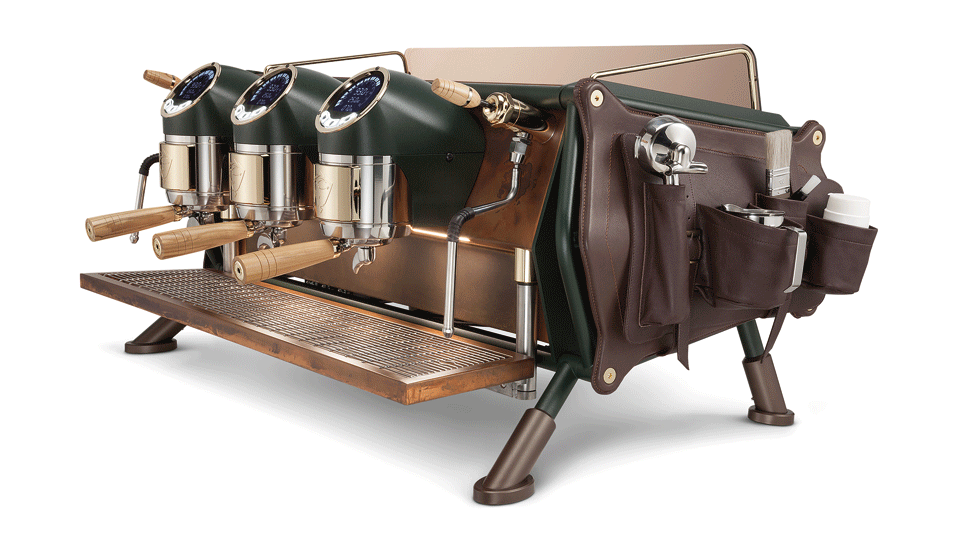
Az újhullámos, nemzetközi nevén third wave kávékultúra előzményei az 1980-as évekig vezethetők vissza, de a 2000-es évek elejétől beszélhetünk nemzetközi trendről, elsősorban az Egyesült Államokban, Ausztráliában, Új-Zélandon és Nyugat-Európában. Megjelenése szorosan kapcsolódik ahhoz a szemléletváltáshoz, amely a kávét tömegtermékből egyedi alapanyaggá emelte. Az első hullám a kávé tömeges elterjedéséről, a második a márkákról és az olasz eszpresszó kultúrájáról szólt, míg az újhullám a minőségre, az eredetre és az elkészítés módjára helyezte a hangsúlyt. Megjelentek a kávépiacon az úgynevezett specialty, vagyis különleges minőségű kávék, melyek minősítését nemzetközi szabvány alapján végzik. A zöld kávét szakértők vakteszten értékelik, amelynek során az illatot, az ízeket, az egyensúlyt és a legapróbb hibákat vizsgálják. Az a kávé számít specialtynek, amely a 100 pontos rendszerben legalább 80 pontot ér el. A minősítés lényege, hogy a kávé eredete és minősége egyaránt ellenőrzött és kiemelkedő legyen.
Az Egyesült Államokban Seattle, majd Portland, San Francisco és New York váltak meghatározó központokká, ahol a kávét már nem tömegtermékként, hanem eredettel, ízprofillal és készítési móddal rendelkező alapanyagként kezdték kezelni. Európában London, valamint a skandináv fővárosok – Oslo, Stockholm, Koppenhága – játszottak kulcsszerepet. A déli féltekén Melbourne és Sydney, Ázsiában pedig Tokió, Szöul és Szingapúr emelkedik ki a specialty kávé szempontjából.
Kialakulásának egyik legfontosabb oka a fogyasztói tudatosság növekedése volt. A bor- és gasztronómiai kultúrához hasonlóan egyre többen kezdtek érdeklődni az alapanyagok származása, feldolgozása és ízprofilja iránt. A kávé esetében ez a termőterületek, a fajták, a feldolgozási eljárások és a pörkölési stílusok iránti figyelemben jelent meg. A közvetlen termelői kapcsolatok, a fair trade és a transzparens beszerzés szintén fontos szerepet játszottak az új szemlélet elterjedésében.
A technológiai fejlődés alapvető feltétele volt az újhullámos irányzat megszületésének. A precíz őrlők, a stabil hőmérséklet- és nyomásszabályozással rendelkező eszpresszógépek, valamint az alternatív filteres eszközök – például a V60, a Chemex vagy az AeroPress – lehetővé tették, hogy a kávé aromái tisztábban és következetesebben jelenjenek meg a csészében. A világosabb pörkölések elterjedése szintén technológiai és szakmai tudást igényelt, hiszen ezek érzékenyebbek az elkészítés hibáira, ugyanakkor jobban megmutatják a kávé eredeti karakterét.
Az újhullámos kávézók nem csupán italokat kínálnak, hanem edukatív terekké is váltak. A barista szerepe átalakult: a kávékészítő egyben magyarázó, tanácsadó és közvetítő lett a termelő és a fogyasztó között. A kávézók belső kialakítása, nyitott pultjai és látványos eszközei is ezt az átláthatóságot és tudásmegosztást szolgálják.
Magyarországon az újhullámos kávékultúra elsősorban Budapesten honosodott meg a 2000-es évek második felétől. A fővárosban jelentek meg először a specialty kávézók, a hazai mikropörkölők és a nemzetközi szinten is sikereket elért baristák, így Budapest mára a régió egyik legerősebb kávés központja. Az elmúlt években az irányzat vidéken is terjedni kezdett: Debrecen, Szeged, Pécs, Győr, Veszprém és Miskolc egyetemi és regionális városként fontos szerepet játszanak az újhullámos kávékultúra országos beágyazódásában.
Kezdetben a külföldi specialty pörkölők kávéi domináltak, majd fokozatosan megjelentek a hazai mikropörkölők is. A baristaképzések, versenyek és nemzetközi kapcsolatok hozzájárultak ahhoz, hogy a szakmai tudás gyorsan fejlődjön. Az elmúlt másfél évtizedben Budapest a régió egyik legerősebb kávés központjává vált, ahol az újhullámos kávézók, pörkölők és baristák aktív közösséget alkotnak.
Bár az újhullámos kávé továbbra is egy szűkebb, tudatos fogyasztói réteget szólít meg, hatása messze túlmutat saját körein. Jelentősen emelte a minőségi elvárásokat, új nyelvet adott a kávéról való gondolkodáshoz, és hozzájárult ahhoz, hogy a kávé Magyarországon is gasztronómiai és kulturális élménnyé váljon.
The antecedents of the new wave coffee culture, internationally known as third wave coffee culture, can be traced back to the 1980s, but the early 2000s brought about an international trend, primarily in the United States, Australia, New Zealand and Western Europe. Its appearance is closely related to the change in attitude that elevated coffee from a mass product to a unique raw material. The first wave was about the mass spread of coffee, the second was about brands and the culture of Italian espresso, while the new wave focused on quality, origin and how it was prepared. Specialty coffees appeared on the coffee market, qualified according to international standards. Green coffee is evaluated by experts in a blind test, checking the smell, taste, balance and the smallest defects. A specialty coffee is one if it scores at least 80 out of 100 points. The idea about certification is that both the origin and quality of the coffee must be controlled and excellent.
In the United States, Seattle, then Portland, San Francisco and New York became dominant centres, where coffee was no longer treated as a mass product, but as a raw material with an origin, flavour profile and production method. In Europe, London and the Scandinavian capitals (Oslo, Stockholm and Copenhagen) played a key role. Melbourne and Sydney stand out in the southern hemisphere, and Tokyo, Seoul and Singapore in Asia.
A major reason for this was increased consumer awareness. As with wine and gastronomic culture, more and more people began to take an interest in the origin, processing and flavour profile of raw materials. In the case of coffee, this was reflected in the attention paid to growing areas, varieties, processing methods and roasting styles. Direct producer relationships, fair trade and transparent procurement have also played a key role in the spread of the new approach.
Technological development was a fundamental condition for the birth of the new wave trend. Precise grinders, espresso machines with stable temperature and pressure control, and alternative filter devices such as the V60, Chemex or AeroPress have enabled coffee aromas to appear more clearly and consistently in the cup. The spread of lighter roasts also required technological and professional knowledge, as they are more sensitive to errors in preparation, but they also better show the original character of the coffee.
New wave cafes not only offer drinks, but have also become educational spaces. The role of the barista has changed as they have also become explanators, advisors and mediators between the producer and the consumer. The interior design of the cafes, their open counters and spectacular devices also serve this transparency and knowledge sharing.
In Hungary, the new wave coffee culture became established primarily in Budapest from the second half of the 2000s. Specialty cafes, domestic micro-roasters and internationally successful baristas first appeared in the capital, making Budapest one of the strongest coffee centres in the region. In recent years, the trend has also started to spread in the countryside. Debrecen, Szeged, Pécs, Győr, Veszprém and Miskolc play an important role in the national embeddedness of the new wave coffee culture as university and regional cities.
Initially, coffees from foreign specialty roasters dominated, then domestic micro-roasters gradually appeared. Barista trainings, competitions and international relations have contributed to the rapid development of expertise. Over the past 15 years, Budapest has become one of the strongest coffee centres in the region, where new-wave cafes, roasters and baristas form an active community.
Although new-wave coffee continues to appeal to a narrower, conscious consumer group, its impact goes far beyond its own circles. It significantly raised quality expectations, gave a new language to thinking about coffee, and contributed to making coffee a gastronomic and cultural experience in Hungary as well.
Itália a világ kávégépgyártásának bölcsője, számos ikonikus márkával, amelyek világszerte formálták az eszpresszókultúrát. Angelo Moriondo gépe nyomán az első, tömeggyártásra alkalmas olasz eszpresszógépet Luigi Bezzera alkotta meg 1901-ben, de a gép sorozatgyártását a szabadalom 1903-as megvásárlása után Desiderio Pavoni indította el. A La Pavoni vállalat így 1905-től készítette nagy sikerű gépeit Milánóban. Első jelentős újításuk a szűrőtartó volt, amely az Ideale nevű eszpresszógép megalkotásához vezetett.
1948-ban pedig elsőként készítettek vízszintes kazánnal felszerelt gépet La Cornuta néven.
Szintén 1905-ös alapítású a Victoria Arduino cég, amely azóta is a professzionális eszpresszógépek innovációjának élvonalában áll, különösen a karos gépek terén.
Ugyancsak a századelőn, 1920-ban alapították a La San Marco céget, amely megbízható nagykazános eszpresszógépeivel komoly vetélytársa volt a La Pavoninak. 1927-ben alapították a La Marzocco céget Firenze mellett, amely kézi összeszerelésű, prémium kategóriás eszpresszógépeiről vált híressé. A márka számos technológiai újítást vezetett be, például a dupla bojleres rendszert. Termékei ma is kiemelkedőek a specialty kávézókban. A Rancilio cég története szintén 1927-ben indult Parabiagóban, és főként tartós, megbízható gépeiről ismert a profi és az otthoni piacokon egyaránt. A híres Silvia modelljük 1997 óta kultikus státusznak örvend a kávérajongók körében.
Az 1936-ban megalakult Nuova Simonelli alapítása után rövid idő alatt a piaci verseny egyik meghatározó szereplőjévé vált. Napjainkban a versenybarista gépek és az ipari eszpresszógépek területén jelent megbízható márkanevet.
Az ikonikus olasz kávégépgyártók közé tartozik a Gaggia is, amelyet Achille Gaggia alapított 1947-ben Milánóban. A gyár kulcsfontosságú innovációja volt 1948-ban a rugós, karos kávégép bevezetése. Ez a megoldás gőz helyett mechanikus nyomással, nagyjából 8–10 bar nyomáson préselte át a vizet az őrölt kávén, ami forradalmi újításnak számított. Ennek köszönhetően jelent meg először az eszpresszó tetején a ma cremaként ismert, sűrű, aranybarna habréteg, ami jelentős hatással bírt a kávés világban.
A milánói gyárlegendák sorát bővíti a Faema vállalat, amelyet 1945-ben alapítottak. A cég legnagyobb jelentőségű újítása az 1961-ben bemutatott Faema E61, amely először alkalmazott elektromos szivattyút és hőcserélős rendszert, ezzel teremtette meg a modern eszpresszógépeket. A Faema gépei egyenletes nyomást és stabil hőmérsékletet biztosítottak, ami jelentősen javította az eszpresszó minőségét és reprodukálhatóságát. A márka gyorsan világszerte ismertté vált, és hosszú időre meghatározta a kávézók arculatát.
Az otthoni kávégépek piacán további jelentős olasz gyártók is jelen vannak, például az 1902-ben alapított De’Longhi és az 1912-ben létrehozott Bialetti.
Az újabb generációt képviseli a Sanremo gyár, amelyet 1976-ban alapítottak Trevisóban. A márka gyorsan ismertté vált modern, mégis olasz hagyományokra építő professzionális eszpresszógépeivel. Különösen nagy hangsúlyt fektet a hőstabilitásra, az ergonómiára és a digitális vezérlésre, miközben szoros kapcsolatot ápol a baristaversenyek világával. Hasonlóan az újabb alapítású cégek közé tartozik a Saeco is, amelyet 1981-ben hoztak létre. Hozzá fűződik az első teljesen automata, otthoni használatra is alkalmas eszpresszógép.1999-ben felvásárolták a Gaggia márkát is.
Az olasz kávégépek kezdetektől napjainkig a hagyomány, a műszaki innováció és az eszpresszókultúra iránti elkötelezettség szimbólumai, mind a profi kávézókban, mind az otthoni kávérajongók körében. Évente több millió olasz gyártmányú eszpresszógép talál gazdára világszerte, és minden piacon jelentős szerepet töltenek be.
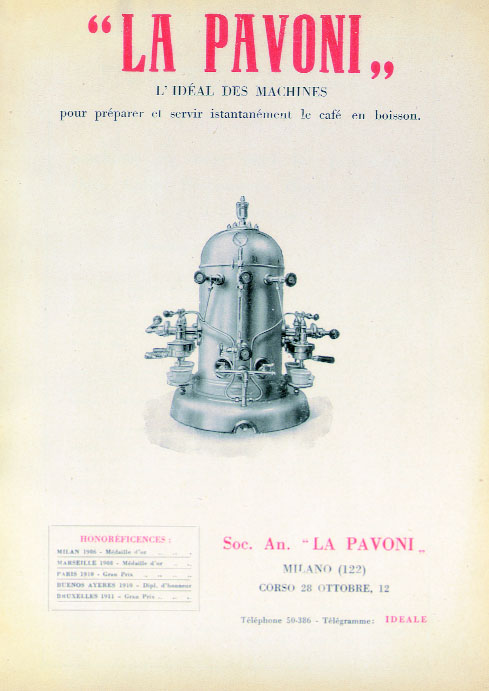
Italy is the cradle of the world’s coffee machine industry, with many iconic brands that have shaped espresso culture around the world. The first mass-produced Italian espresso machine based on Angelo Moriondo’s machine was created by Luigi Bezzera in 1901, but the machine’s serial production was started by Desiderio Pavoni after the purchase of the patent in 1903. The La Pavoni company thus produced its highly successful machines in Milan from 1905. Their first major innovation was the filter holder, which led to the creation of an espresso machine called Ideale.
In 1948, they were the first to make a machine equipped with a horizontal boiler under the name La Cornuta.
Also founded in 1905, the Victoria Arduino company has been at the forefront of innovation in professional espresso machines, especially in the field of lever machines.
Also at the turn of the century, in 1920, La San Marco was founded and became a major competitor to La Pavoni with its reliable large-boiler espresso machines. In 1927, La Marzocco was founded near Florence and became famous for its hand-assembled, premium category espresso machines. The brand has introduced a number of technological innovations, such as the double boiler system. Its products are still outstanding in specialty cafes today. The history of Rancilio also began in 1927 in Parabiago and is mainly known for its durable, reliable machines in both the professional and home markets. Their famous Silvia model has enjoyed cult status among coffee lovers since 1997.
Founded in 1936, Nuova Simonelli quickly became one of the key players in market competition. Today, it is a trusted brand name in the field of competitive barista machines and industrial espresso machines.
Iconic Italian coffee machine manufacturers include Gaggia, founded by Achille Gaggia in Milan in 1947. A key innovation of the factory was the introduction of the spring-loaded lever coffee machine in 1948. This solution replaced steam with mechanical pressure to squeeze water through the ground coffee at about 8-10 bars, a revolutionary innovation. This resulted in the first appearance of the thick, golden-brown foam layer known today as crema on the top of espresso, which had a significant impact on the coffee world.
Expanding the line of Milanese factory legends is Faema, founded in 1945. The company’s most significant innovation was the Faema E61, introduced in 1961, the first to use an electric pump and a heat exchanger system, creating modern espresso machines. Faema’s machines provided consistent pressure and stable temperatures, which significantly improved the quality and reproducibility of espresso. The brand quickly became known worldwide and defined the image of cafés for a long time.
Other major Italian manufacturers are also present in the home coffee machine market, such as De’Longhi, founded in 1902, and Bialetti, founded in 1912.
The Sanremo factory, founded in 1976 in Treviso, represents the newer generation. This brand quickly became known for its modern yet Italian tradition-based professional espresso machines. It places particular emphasis on thermal stability, ergonomics and digital control, while maintaining a close relationship with the world of barista competitions. Similarly, Saeco, founded in 1981, is one of the newer companies. It is associated with the first fully automatic espresso machine suitable for home use. In 1999, the Gaggia brand was also acquired.
Since the beginnings, Italian coffee machines have been a symbol of tradition, technical innovation and commitment to espresso culture, both in professional coffee shops and among coffee enthusiasts at home. Every year, millions of Italian-made espresso machines are sold worldwide and play a significant role in all markets.
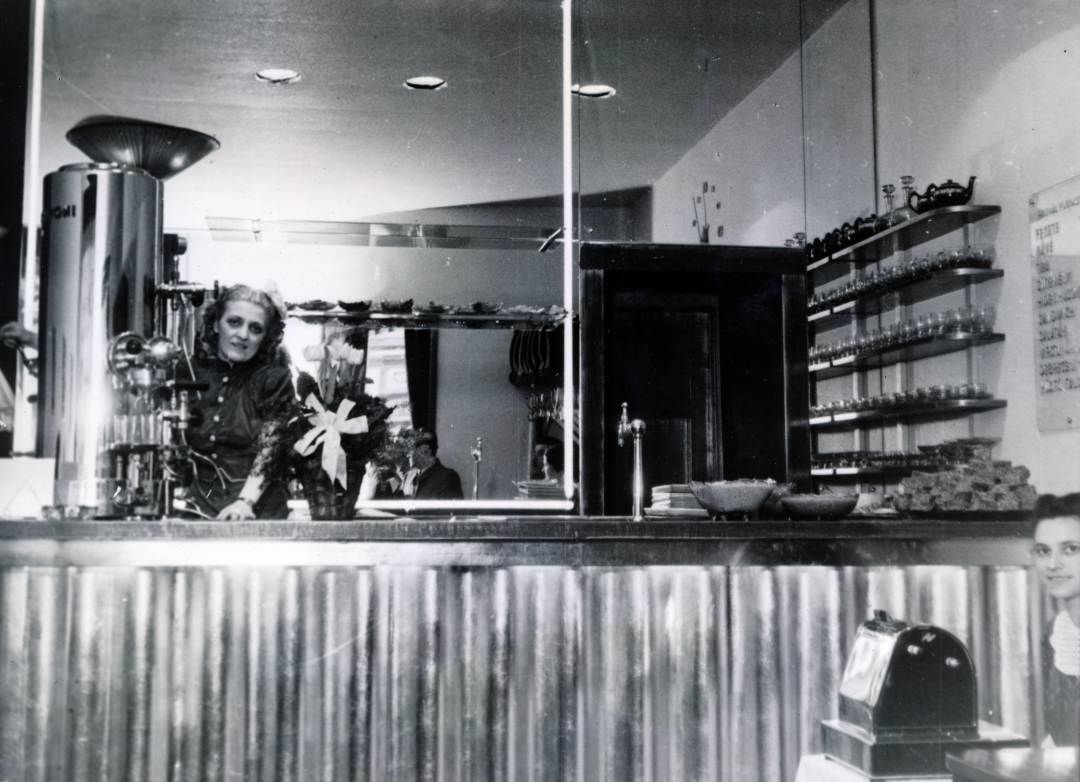
„Budapest életébe új színt hoztak ezek az exotikus országokról elnevezett miniatűr helyiségek. Az ember lassanként bizonyos új földrajzi jártasságra tett szert. Megtanulta, hogy Tahiti kissé keletre van Braziltól, Marokkó viszont valamivel északabbra terül el (…) Lassankint rádöbbent arra is, hogy espressót nyitni nem annyira üzleti vállalkozás, mint inkább lelkiállapot. A bárpult mögött álló hölgy, akár harminc körüli bronzhajú, kesernyés mosolyú dolgozó asszony, akár ibolyakék fényű fehérfrizurás mágnásdáma, akár pulloveres szegletes vállú diáklány legyen… a maga egyéni életének atmoszféráját sugározza szét a helyiségbe.” – vetette papírra egy hírlapíró 1941-ben.
A nők hangsúlyos jelenléte a fiatal Ottlik Géza figyelmét is felkeltette: „Az espressóban parányi asztalok körül ülnek a nők és gyorskávét isznak, de nagyon lassan. Eszükben sincs az illatos, gőzölgő feketét amúgy állóhelyükben kihörpinteni. Megtelepszenek, fújják a füstöt, perelnek a ruhatárosnővel. Írnak, olvasnak, kötnek, horgolnak. A szomszédnő, úgy látom, kalapot csinál, újságpapírból kivágott szeleteket tűzdel össze s olykor a fejére illeszti a különös csákót, a tükörhöz lép. Senki nem nevet ezen. A dolog komoly, egy kalap terveiről van szó.” (1943)
Az idősebb nemzedékek eszpresszó-élményét a legtömörebben talán egy másik hírlapíró 1941-es sorai tárják elénk: „A kávéházakat így szorította háttérbe lassanként – de nem is lassanként – az espresso, ahová betérni, fogyasztani, megbeszélni valamit és elmenni annyi időt sem vesz igénybe, mint amennyi régen ahhoz kellett, hogy a ruhatárban levessük a kabátot és kikeressünk magunknak egy jó, védett, kellemes sarokasztalt.”
“These miniature facilities named after exotic countries added new colours to life in Budapest. You gradually picked up some knowledge in geography. You learned that Tahiti was located a bit eastward of Brazil, while Morocco is to the north. (…) It dawned on us that opening an espresso bar is more of a state of mind than a business venture. The lady behind the counter, whether she is a bronze-haired working woman around 30 with a bitter smile, or a grand dame of bluish-white hair, or a square-shouldered student girl clad in a pullover, radiates the atmosphere of her own life around the room.” This was written by a journalist in 1941.
The strong presence of women aroused the attention of young writer Géza Ottlik, too: “Women sit around tiny tables in espresso bars, drinking coffee, but very slowly. They definitely do not gulp down the aromatic, steamy black beverage on the run. They sit down, blow tobacco smoke, and quarrel with the cloakroom attendant. They write, read, knit, and embroider. If I am not mistaken, the lady at the next table is making a hat, pinning newspaper sheets together, and regularly placing this strange cap on her head, in order to inspect it in a mirror. No-one is laughing about that. This is a serious matter, the design of a hat.” (1943)
The perception of espresso bars by older generations was best described by another journalist in 1941: “Coffee houses have been gradually, but not slowly, ousted by espresso bars. Popping into an espresso bar, having a coffee, discussing something, and leaving take less time than it once took to hang up your coat in the cloakroom and find a good, sheltered, comfortable corner table.”
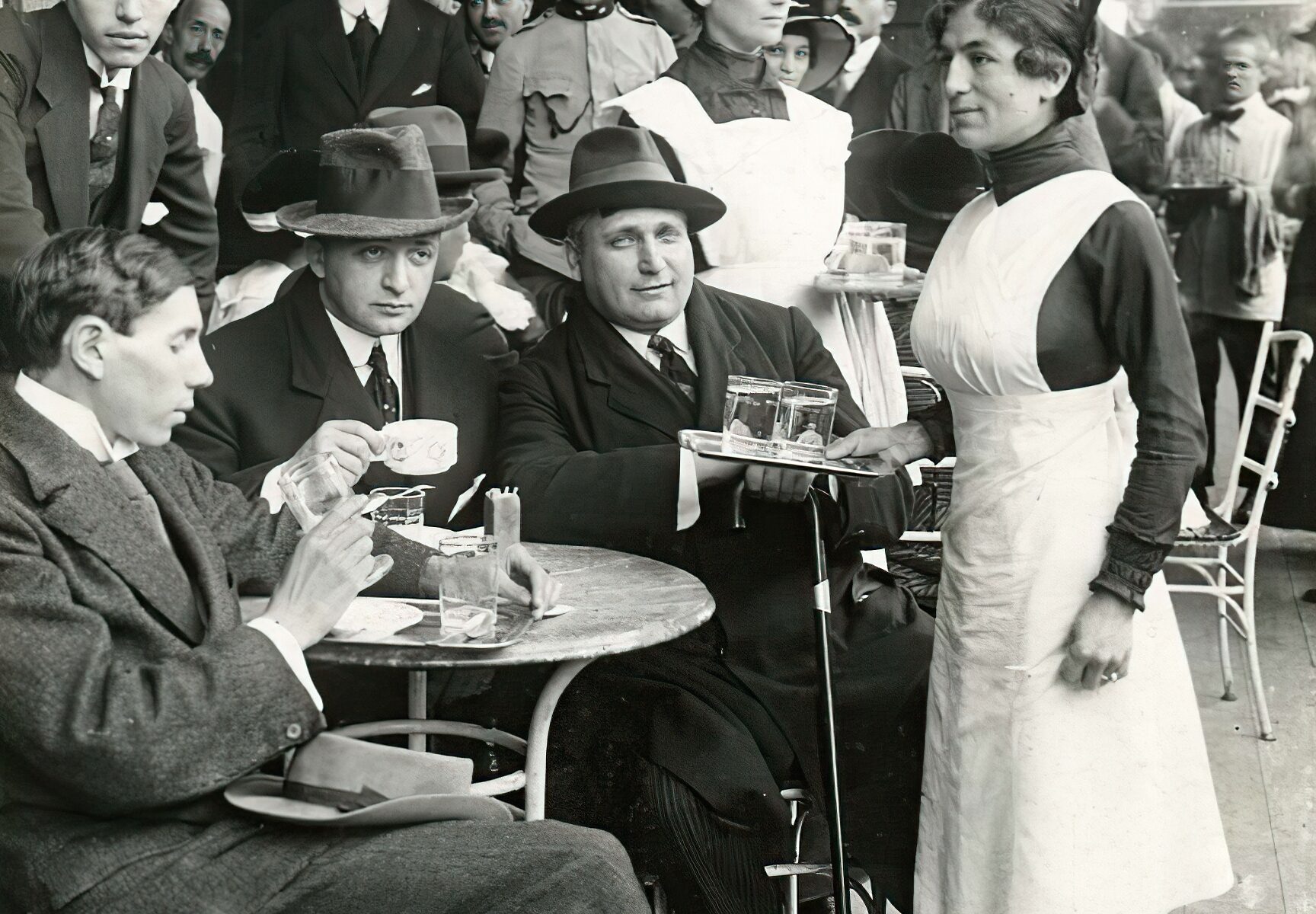
„Egy ízben Kóbor Tamás Szegeden járt, s a társaság egy kávéházban összehozta Tömörkény Istvánnal. Kíváncsian várták, hogy a két író mivel kezdi az ismeretséget, mit fognak egymásnak mondani. Hát bizony nem szóltak egy szót sem. Tömörkény nagyokat hallgatott, csak ültek szótlan, néma csöndben egymás mellett. Csak egy órai hallgatás után szólalt meg Tömörkény: – Mondja, Kóbor úr, maga sütteti a haját?”
Bíró-Balogh Tamás: Egyebekben tökéletesen megfelel a valóságnak. Jelenkor, 2020. január–június, 63. évf. 1–6. sz., 160.
Illés Béla: Halandzsa
Lelkiismeretem parancsára megkísérlem egy történelmi tévedés kiigazítását, egy történelmi igazságtalanság jóvátételét. A köztudatban a halandzsanyelv feltalálójaként Karinthy Frigyes szerepel, az ő nevéhez fűződik a feltalálónak (halála után) kijáró elismerés és dicsőség, holott a halandzsanyelvet (amelyet szerzője „az igazi életbölcsesség nyelvének” nevezett, ő tudta, miért, én csak sejtem), ezt a jelentős műnyelvet nem Karinthy alkotta, hanem egy Lax nevű képügynök (keresztnevét elfelejtettem), aki 1910 és 1918 között minden estéjét a New York kávéház erkélyén töltötte, üzletkötéseket tervezve, de mivel erre lehetőség nemigen volt, meséléssel. A kis, keszeg, szemüveges, vöröshajú, halk szavú ember született mesemondó volt. Egy-két ismert, vagy csak félfüllel hallott és félreértett tényből fordulatos, színes, izgalmas történeteket komponált, a szó szoros értelmében kapásból és órákon át lekötötte még ismeretlen írókból, festőkből, meg színészekből és már elfelejtett írókból, festőkből, meg színészekből álló hallgatóságát. Néha-néha leült Lax hallgatói közé Karinthy Frigyes is (aki, mert eredeti alkotó volt, másokban is megbecsülte az eredetiséget), és egy ízben magával hozta Somlyó Zoltánt és Kosztolányit is: hallgassák meg ők is a mestert. Somlyó egy darabig figyelte a mesemondót, figyelés közben elbóbiskolt, és amikor felébredt (a hallgatóság közt ülve), számolócédulákra verset írt, úgy emlékszem, egy ültében kettőt is. Kosztolányi kis ideig fejcsóválva hallgatta Laxot, néha helyeselt is neki, aztán idegesen felugrott és a szó szoros értelemben elrohant, nem tudta elviselni, hogy nem őrá figyelnek és nem ő róla beszélnek. A halandzsanyelvet Lax mester a New York karzatán mutatta be és ott próbálta ki. Nem egy emberen — többön. Egyiktől-másiktól elismerést, némelyik kísérleti alanytól viszont hatalmas pofont kapott művészetéért. Kipróbálta a halandzsanyelvet Bródy Sándoron is. „Sándor bá”, miután Lax háromszor-négyszer intézte hozzá ugyanazt a kérdést, de ő még mindig nem tudta, mit kérdeznek tőle, felugrott és kirohant a kávéházból. A bejárat előtt egy konflis állott. „Sándor bá” karonfogta a konflis pálinka- és bagószagú kocsisát. „Mondj valamit, édes fiam!” — „Mit mondjak, nagyságos úr?” — „Amit akarsz, édes fiam.” — „Hát, nagyságos úr, ami azt illeti, én egy koronát akarok — snapszra —, vagy ha annyi nincs, akkor három hatost.” Bródy Sándor zsebéből egy ötkoronást kotort elő és a kocsis markába nyomta. „Hál’istennek mégsem őrültem meg! — mondotta megkönnyebbülten felsóhajtva. — Mit gondolsz — fordult ismét a kocsishoz — üssem agyon azt a vörös gazembert ?” — „Nem érdemes, nagyságos úr! — felelte a kocsis. — Az ilyesmiből az embernek még kellemetlenségei lehetnek.” — „Igazad van, édes fiam” — mondotta Bródy Sándor, és még egy koronát adott a bagó- és pálinkaszagú és bölcs konfliskocsisnak. Lax zseniális találmánya aligha jut túl a New York karzatán, ha Karinthy nem ismeri fel a halandzsanyelv jelentőségét és lehetőségeit. Karinthy lelkesen és boldogan magáévá tette az „új és mégis sok ezer éves” nyelv ügyét, és nem az ő hibája, hogy minél többen ismerték meg ezt a zseniális műnyelvet, annál kevesebben tudták, hogy a halandzsa feltalálója a vörös hajú képügynök, Lax mester. A nagyszerű mesemondó egy Schulzné nevű asszonyságnál lakott, albérletben, valahol a Szövetség utcában. Lax elbeszélései nyomán Schulzné nagy népszerűségre tett szert a New York kávéház törzsvendégei között. Az első világháború első esztendőiben, amikor Lax Schulznéról beszélt, hallgatói valami ízelítőt kaptak a közhangulatból: kevés és drága az élelmiszer, szapora és egyre ijesztőbb a kor legtipikusabb terméke — a rémhír. Schulznét egy félévszázad tette bölcs asszonysággá. Lax körülbelül negyven esztendős volt. Az asszony több ízben félreérthetetlen célzást tett arra, hogy hajlandó házasságra lépni a nála tíz évvel fiatalabb képügynökkel (néhai Schulz Miksa akkor már több mint tíz esztendeje álmodott a rákoskeresztúri temetőben), de Lax a célzásokból csak azt a következtetést vonta le, hogy egy ideig bátran adós maradhat a lakbérrel. Ezt meg is tette. De valószínűleg rosszul mérlegelte a lehetőségeket. Erre vall, hogy egy este, valamikor 1916 februárjában vagy márciusában a mesemondó képügynök nagyon szomorúan foglalt helyet a New York kávéház erkélyén. — Mi baj, Lax mester? — Komoly baj van, fiúk — sóhajtott a vörös hajú mester. Aztán egyszerre felcsillant vizeskék szeme. Egy ötlet, akár egy szójáték is elfelejtette Laxszal minden baját. — Tudjátok, fiúk, hajnali tíz-tizenegy órakor bejött hozzám Schulzné asszonyság és jó reggeli helyett ezt mondotta: Lax mester, fizetsz, vagy nem laksz.* A halandzsa feltalálója a húszas évek elején halt meg. Akkor már esztendők óta ágyrajáró volt.
Illés Béla: Anekdoták könyve. (Második rész: Halandzsa.) Kortárs, 1959. július–december, 3. évf. 7–12. sz., 169–170.
Egy anekdota József Attiláról
Kaczér Vilmost, a Toll szerkesztőjét Attila köszönésben soha nem tudta megelőzni. A Japán kávéházban ha versíráshoz készült, átment Attilához: – Ugye, Mester, ezt a gyönyörű versét nekem adja? – és máris kiborította kis erszénykéjét és amennyi pénz csak volt nála, a még el nem készült versért kifizette. Ez az összeg mindig több volt, mint amennyit más lap fizetett Attila verseiért. Egyszer egész aktatáskányi kéziratot tett maga elé a kávéház asztalára és rendezgette azokat. Az öreg szerkesztő szótlanul nézte Attila tevékenységét. — Könyv lenne ebből szerkesztő úr, ha … És bár a kávéházban kevesen ültek, Kaczér Attila fülébe súgta: „Kérem, Mester, én is úgy kéregetem a Tollhoz a papirost meg a pénzt. Nem tudok másként segíteni önnek, adok egy címet — csak kérem, ne mondja meg, hogy én küldtem, mert sajnos az ön verseit azok másként értékelik.“ Így került Attila hosszú lelki tusa után Hercz báró elé. Azzal, hogy ismeretlenül segítségét kéri, a fogadás módja, a hangfogó szőnyegek, ajtók, emberek, akik a külvilágot átszűrve közvetítették Hercz báró felé, a hatalom szimbólumát testesítették meg. Végre megnyílt az utolsó ajtó. Attila a becsukott ajtó mellett megállt. Úgy érezte, ő áll és ott ül a „Haszon“, így kellett kérelmét előadnia. A báró úr ismételten kérdezte: ki ajánlotta önt hozzám? — s ragaszkodott makacsul ehhez a kérdéshez. Attila igyekezett irányítani a beszélgetést, mert Kaczért nem nevezhette meg. Kit nevezzen meg? — Bárónak báró lehet a barátja — és igen sok a báró. Az ő ismerősei közül Hatvany Bertalan fiatal Hercz úrhoz, viszont Lajos különb, felette áll egész biztosan, ő soha nem hagyna így állni egy költőt. — És észre sem vette, máris bemondta Hatvany Lajos nevét. „Kérem, jöjjön vissza egy negyed óra múlva“ — ezzel bocsátotta el Attilát. Ez lélegzetelállító pillanat volt. Hatvanyt okvetlen meg kell találnia, különben hazugságban marad. Hivatkozott egy emberre, aki semmiről nem tud semmit. — Hercz most telefonáltat… Ő is elindult telefonfülkét keresni. Tárcsázott, rossz számot kapott, majd a szám mással beszélt. — Hátha éppen vele. — Csak arra gondolt, hogy szégyenben marad Hatvany előtt. Végre megkapta a számot — s közölték vele, hogy Hatvany a strandra indult… Hogy melyikre, nem tudják. Találomra kérte a Palatinus strandot. Hallotta a megafonban Hatvany Lajos nevét, majd a telefonban Hatvany hangját. Attila fellélegzett, megelőzte Hercz bárót, mert előbb sikerült neki Hatvany Lajossal beszélnie, aki megnyugtatta: Mindent vállalok Attila, érted, de légy óvatos, mert a te baloldali verseid elriaszthatják. Nem rossz ember, de a bonyodalmakat nem szereti. Ha megszeret, hiszem, hogy az összes verseidhez kapsz papírt, de most a verseid megjelenéséért tégy engedményt, a többit én magamra vállalom. Így tért vissza Attila Hercz úrhoz, aki Hatvanyval átnézette a versek kiválogatását és szép fehér papirost kapott a Medvetánc című kötethez, amit éppen ezért vállalt a Révai Kiadó olyan formán, hogy pénzt ugyan nem kapott, de a megjelent háromezer példányból ezret Attilának adtak, melyek eladásáról saját maga gondoskodhatott.
Kilencven éve lett bohémtanya a legendás Hadik kávéház
„(…) A Hadik az első világháború után kezdett igazán népszerűsödni: írók, művészek, bohémek és tisztelőik, barátaik, bámulóik híresítették fővárosszerte, de még vidéken is. Karinthy Frigyesnek 1921-től haláláig a legintimebb törzskávéháza lett. Azért is, mert a közelben, a Verpeléti, ma Karinthy úton lakott. Pár perc kellett, és törzsasztalánál a neki fenntartott helyet elfoglalhatta… A Hadik a találkozások, jóízű tereferék, irodalmi ugratások, beszélgetések, hangulatos közéleti és szerelmi randevúk, baráti együttlétek színtere lett. Számos játék születésének is a helye, így például a ma is divatozó »ország-város-állat-híresség« játéké, vagy az akkor hódító útjára indított barkochbáé. Népszerű volt az eszperente – a szójáték csupa e betűvel – és más rímes és ritmusos rögtönzések, szóláncok. Nem is csoda, hiszen olyan vendégek, asztaltársak gyűltek oda, mint például Tersánszky, Somlyó Zoltán, Kosztolányi, Heltai, Surányi Miklós, Kemény Simon, Zelk Zoltán, Devecseri Gábor és a még fiatalabbak. Szívesen játszott és sakkozott ott József Attila, Rejtő Jenő és a fiatalon elhunyt humorista, Aszlányi Károly. A Hadikban volt az úgynevezett Szávay sakk-kör gyülekezőhelye és törzsasztala. Az elnök nem volt más, mint Karinthy Frigyes. A kávéházban viccet mesélni nem volt ajánlatos. A törzsközönség arról volt nevezetes, hogy minden új pesti viccet azonnal ismert. Csak olyan hangozhatott el és aratott sikert, amit még senki sem hallott. Az egész társaság cechjét a vesztesnek kellett állnia, ha a poént mesélés közben valaki »lelőtte«. Számos talány, tréfa, vicc és anekdota keletkezett a Hadikban. (Rendszeres látogatója volt Grätzer József, a rejtvényszerzés korabeli nagymestere is.) Karinthy a viccek budapesti terjedési sebességét a Hadikban mérte le. Kigondolt egyet, és az ott tartózkodóknak elmesélte. Rögtön utána útra kelt, hogy másik kedves helyére, az irodalmi központot is jelentő Centrálba (ma a Károlyi Mihály utcában csak a helye van meg emléktáblával jelölve) látogasson. Fél nap sem telt el, és ott hallotta vissza a sajátját. Híres anekdota a Hadikból az is, hogy egy, esténként rendszeresen ott kéregető koldusnak egyszer azt mondta Karinthy, hogy nincs pénze. Ő erre feneketlen zsebeibe nyúlva maréknyi aprópénzt húzott elő, és e szavakkal fordult a jeles íróhoz: szívesen adok kölcsön. A húszas évek közepétől az üzlet az utcára kihelyezett asztalokkal, »flaszterterasszal« bővült. Különösen a tavaszi és kora őszi vendégek kedvelték a remek kilátást, élvezték a csöndes lágymányosi forgalmat. A kirakott asztalok mellől, az ablakokhoz ágaskodva sokszor bekopogtak a tereferélőkhöz, sakkozókhoz, a játszótársakhoz valami üzenettel, így például Karinthyhoz is, hogy induljon már haza, mert régen kihűlt az ebédje. (Fennmaradt olyan anekdota is, hogy Ferenc fia születésének hírével is a Hadikban találták meg.) A kávéház tulajdonosai, a Kaiser testvérek jó barátságba kerültek Karinthyval. Mindent elkövettek, hogy jól érezze náluk magát, így azután nemcsak állandó tanyája, hanem egyik fontos munkahelye is lett. Sok műve született a márványasztaloknál. (Azt írták róla: otthoni íróasztala csak szobadísz volt.) Ebből az időből nem maradt ránk a kávéházról olyan kép, amely a bejáratot a kirakott asztalokkal ábrázolja. Legalábbis mindenki így hitte. A közelmúltban azonban a nagy múltú Posch vendéglős család doyenje, az idén 90 esztendős Laci bácsi az itt bemutatott amatőr képpel örvendeztetett meg bennünket. A húszas évek végétől a Hadikban találkoztak az akkori motorversenyzők is. Asztaltársaságának Laci bácsi is egyike. Ő készítette a történeti értékű felvételt. (A jeles Posch családról itt annyit, hogy három generációjának 13 tagja harminc vendéglátó üzletben dolgozott. A fővárosban és vidéken egyaránt jó nevet szereztek szakmájuknak. Mára, mint annyi más neves kávéház és irodalmi-művészeti emlékhelyünk, a Hadik is csak könyvekből ismert. Falán szerény emléktábla olvasható. Hírét, jelentőségét őrzi a szakma múzeuma, és néhány, még élő egykori vendége. Akik, ha arra járnak, elérzékenyülnek, s nézik a járdát: máig megmaradtak ugyanis az egykori asztalrögzítők nyomai.“
Draveczky Balázs: Kilencven éve lett bohémtanya a legendás Hadik kávéház. Népszabadság – Budapest melléklet, 1996. április 12.
“Tamás Kóbor once visited Szeged, and the company introduced him to István Tömörkény in a café. They were curious to see how the two writers would start their acquaintance, what they would say to each other. Well, they didn’t say a word. Tömörkény was silent for a long time, and they just sat next to each other in total silence. It was only after an hour of silence that Tömörkény spoke: “Tell me, Mr. Kóbor, do you have your hair set?”
Tamás Bíró-Balogh: Otherwise, it corresponds perfectly to reality. Jelenkor, January-June 2020, Year 63 Issues 1–6, 160
Béla Illés: Gibberish
At the command of my conscience, I will attempt to correct a historical error, to make amends for a historical injustice. Frigyes Karinthy is known as the inventor of gibberish, and the recognition and glory due to the inventor (after his death) is linked to his name, although gibberish (which its author called “the language of true wisdom of life”, he knew why, I can only guess), this significant artificial language, was not created by Karinthy, but by a picture agent named Lax (I forgot his first name), who spent every evening on the balcony of the New York café between 1910 and 1918, planning deals, but since there was little opportunity for that, by storytelling. The short, scrawny, bespectacled, red-haired, soft-spoken man was a born storyteller. He composed twisted, colourful, exciting stories from one or two well-known or only half-hearted facts that he had heard and misunderstood, and literally engaged his audience of as yet unknown writers, painters, and actors and forgotten writers, painters and actors for hours. From time to time, Frigyes Karinthy sat down among Lax’s listeners (who, because he was an original artist, appreciated the originality of others as well), and once he brought Zoltán Somlyó and Kosztolányi with him: they should listen to the master as well. Somlyó watched the storyteller for a while, dozing off while watching, and when he woke up (sitting among the audience), he wrote poems on counting slips, I think he wrote two in one sitting. Kosztolányi shook his head at Lax for a while, sometimes even approving of him, then jumped up nervously and literally ran away, he couldn’t stand the fact that they weren’t paying attention to him and talking about him. Master Lax demonstrated the gibberish language in the gallery of the New York café and tried it there. Not on one person but on several people. He received recognition from some of them, but a huge slap in the face from some of the test subjects for his art. He also tried gibberish on Sándor Bródy. “Uncle Alexander,” after Lax had asked him the same question three or four times, but he still didn’t know what he was being asked, jumped up and ran out of the café. In front of the entrance stood a hansom cab. “Uncle Sándor” grabbed the arm of the coachman, who smelled of brandy and tobacco. “Tell me something, son!” “What shall I say, sir?” “Whatever you want to, son.” “Well, sir, as a matter of fact, I want one crown for brandy or, if you don’t have that many, three sixes.” Sándor Bródy dug out a five-crown note from his pocket and thrust it into the coachman’s hand. “Thank God I haven’t gone crazy!, he said, sighing with relief. “What do you think?”, he turned to the coachman again. “Should I kill that red scoundrel?” “You shouldn’t, sir!, the coachman replied. “Such things can get you in trouble.” “You are right, son,” said Sándor Bródy, and he gave another crown to the wise coachman, who smelled of tobacco and brandy. Lax’s ingenious invention could not have made it beyond the gallery of the New York café if Karinthy had not recognized the significance and possibilities of gibberish. Karinthy enthusiastically and happily embraced the cause of the “new and yet many thousands of years old” language, and it was not his fault that the more people became acquainted with this ingenious lingo, the fewer people knew that the inventor of gibberish was the red-haired picture agent, Master Lax. The great storyteller rented an apartment from a lady called Mrs. Schulz somewhere in Szövetség utca. As a result of Lax’s stories, Mrs. Schulz gained great popularity among the regulars of the New York café. In the first years of the First World War, when Lux spoke about Mrs. Schulz, his listeners got a taste of the public mood: food was scarce and expensive, the most typical product of the age — rumour — was proliferating and increasingly frightening. Mrs. Schulz was made wise by half a century. Lax was about forty years old. The woman repeatedly made clear hints that she was willing to marry the picture dealer ten years her junior (the late Miksa Schulz had been lying in the cemetery of Rákoskeresztúr for more than ten years), but Lax only drew the conclusion from the hints that he could safely remain in debt with the rent for a while. And he did so. But he probably misjudged his options. This is evidenced by the fact that one evening, sometime in February or March 1916, the storyteller was very sad as he took a seat on the balcony of the New York café. “What’s the matter, Master Lax?” “There’s a serious problem, boys,” sighed the red-haired master. Then, suddenly, his water-blue eyes lit up. An idea, even a pun, made Lax forget all his troubles. “You know, boys, at ten or eleven in the morning, Mrs. Schulz came to my room and instead of a good breakfast, she said, “Master Lax, you pay or get out of my home.” The inventor of gibberish died in the early twenties. At that time, he had been a lodger for years.
Béla Illés: Book of Anecdotes. (Second part: Gibberish) Kortárs, July-December 1959, Year 3, Issues No. 7–12, pp. 169–170
An anecdote about Attila József
Attila could never overtake Vilmos Kaczér, the editor of the journal Toll, in greeting him. In the Japanese Café, when he was preparing to write poetry, he went over to Attila: “Master, you give me this beautiful poem, don’t you?” and he immediately knocked out his little purse and paid for the unfinished poem, as much money as he had. This amount was always more than what other newspapers paid for Attila’s poems. Once he put a whole briefcase of manuscripts on the table of the café and arranged them. The old editor watched Attila’s activities in silence. “This would make a book if…” And although there were few people sitting in the café, Kaczér whispered in Attila’s ear: “Please, Master, I also beg for paper and money for Toll. I can’t help you in any other way, I’ll give you a title. Please don’t tell anyone that I sent it, because unfortunately they value your poems differently.” This is how Attila, after a long mental struggle, came before Baron Hercz. By asking for his help from an unknown person, the way of receiving him, the sound-catching mats, the doors, the people who filtered the outside world to Baron Hercz, embodied the symbol of power. Finally, the last door opened. Attila stopped next to the closed door. He felt that he was standing and sitting there with the “Benefit”, so he had to present his request. The baron asked again: who recommended you to me? He insisted stubbornly on this question. Attila tried to control the conversation, because he could not name Kaczér. Who should he name? “A baron befriends other barons, and there are quite a lot of them.” Of his acquaintances, Bertalan Hatvany is a young man to Mr. Hercz, but Lajos is different, he is certainly above him, he would never let a poet stand like this. He didn’t even notice it, he already announced the name of Lajos Hatvany. “Please come back in a quarter of an hour,” he said to Attila. It was a breathtaking moment. He must make sure to find Hatvany, otherwise he will remain a liar. He had referred to a man who knew nothing about anything. “Hercz is making a call…” He also went to look for a phone booth. He dialled, got the wrong number, and then the line was engaged. “Maybe he is talking to him.” He only thought that he would be ashamed in front of Hatvany. At last he was put through and told that Hatvany had left for the beach but no one knew which one. He asked for the Palatinus beach at random. He heard Lajos Hatvany’s name in the megaphone, and then Hatvany’s voice on the phone. Attila breathed a sigh of relief, overtaking Baron Hercz, because he had first managed to talk to Lajos Hatvany, who reassured him: “I’ll do everything, Attila, you know, but be careful, because your left-wing poems may scare him away. He is not a bad person, but he hates complications. If he comes to like you, I’m sure you will get paper for all your poems, but now make a concession for their publication, I will take care of the rest.” This is how Attila returned to Mr. Hercz, who went through the selection of poems with Hatvany and received nice white paper for the volume Bear Dance, which was accepted by the Révai Publishing House in such a way that he did not receive any money, but of the three thousand copies published, a thousand were given to Attila, which he could take care of selling himself.
Ninety years ago, the legendary Hadik Café became a bohemian haunt
“(…) Hadik really started to become popular after the First World War. Writers, artists, bohemians and their fans, friends and admirers made it famous throughout the capital, but even in the countryside. From 1921 until his death, it became the most intimate regular café of Frigyes Karinthy. Also because he lived nearby, on Verpeléti út, now Karinthy út. It took a few minutes for him to take the seat reserved for him at his regular table… Hadik had become the scene of meetings, tasty talks, literary teasing, conversations, convivial public and love dates, and gatherings of friends. It was also the place of the birth of many games, such as »country-city-animal-celebrity«, which is still in vogue today, or the highly popular Twenty Questions, which made its first appearance at that time. Esperente – a play on words only with the letter E – and other rhyming and rhythmic improvisations and word chains were popular. No wonder, as guests and table mates such as Tersánszky, Zoltán Somlyó, Kosztolányi, Heltai, Miklós Surányi, Simon Kemény, Zoltán Zelk, Gábor Devecseri and the even younger ones gathered there. Attila József, Jenő Rejtő and the comedian Károly Aszlányi, who died young, liked to play, including chess, there. Hadik was the gathering place and the regular table of the Szávay chess club. The president was none other than Frigyes Karinthy. It was not a good idea to tell jokes in the café. The regulars were known to become familiar with every new joke in Pest immediately. Only jokes that no one had heard could be told and achieve success. The loser had to pay the whole company’s bill if someone spoiled the joke while they were telling it. Hadik witnessed the birth of many riddles, jokes and anecdotes. (József Grätzer, the grand master of puzzle solving at the time, was also a regular visitor.) Karinthy measured the speed at which jokes spread in Budapest in Hadik. He invented one and told it to the people there. Immediately afterwards, he set off to visit his other favourite place, Central, which was also a literary hub (today only its place in Károlyi Mihály utca is marked with a memorial plaque). Less than half a day passed, and there he heard his own joke back. Another famous anecdote from Hadik is that a beggar who regularly stayed there in the evenings was once told by Karinthy that he had no money. He reached into his bottomless pockets and pulled out a handful of small coins, and turned to the illustrious writer with the words: I will gladly lend you. From the mid-twenties, the shop was expanded with tables placed on the street, a »pavement café«. Especially the spring and early autumn guests liked the great view and enjoyed the quiet traffic of Lágymányos. From the outdoors tables, some people leaned on the windows and often knocked on the pane with a message for the players, chess players, and playmates, such as Karinthy, to go home because his lunch had long since run cold. (Legend has it that he was found in Hadik with the news of the birth of his son Ferenc.) The owners of the café, the Kaiser brothers, became good friends with Karinthy. They did everything to make him feel comfortable with them, so Hadik became not only a permanent venue but also an important workplace for him. He created many of his works at the marble tables. (Allegedly, he only used his home desk as a decoration.) From this time, we have no picture of the café that depicts the entrance with the outdoor tables At least that’s what everyone believed. Recently, however, the doyen of the long-established Posch restaurant family, Uncle Laci, who is 90 years old this year, delighted us with the amateur picture presented here. From the late 1920s, the motorcycle racers of that time also met in Hadik. Uncle Laci is also one of his table companions. He made the recording of historical value. (Suffice it to say that 13 members of three generations of the illustrious Posch family worked in thirty catering establishments.) They have made a good name for their profession both in the capital and in the countryside. Today, like so many other renowned cafés and our litereary-artistic memorial sites, Hadik is only known from books. Its wall displays a modest memorial plaque. Its fame and significance are preserved by the museum of the profession and some of its still living former clients. Each time they pass by, they get emotional and look at the pavement: the traces of the former table fixers have remained to this day.”
Balázs Draveczky Ninety years ago, the legendary Hadik Café became a bohemian haunt. Népszabadság – Budapest supplement, 12 April 1996
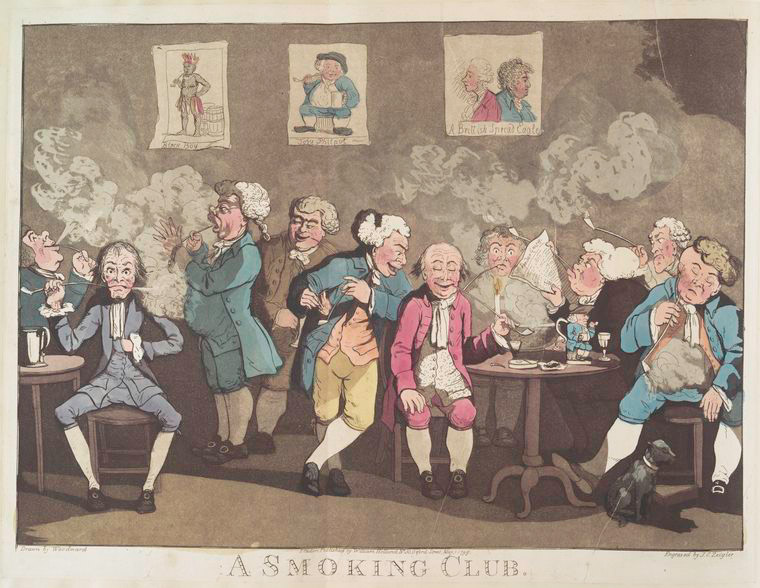
A „hosszú 19. század” – e névvel illetik a történészek a francia forradalom (1789) és az első világháború kitörése (1914) között eltelt százhuszonöt évet – a kisvárosból világvárossá válás időszaka volt Budapest életében. A növekedés népességi adatai önmagukban is beszédesek. Míg az 1873-ban egyesített Pest, Buda és Óbuda összlakossága a reformkor kezdetén (1827) a százezret sem érte el, az első világháború küszöbére ez a szám már megközelítette az egymilliót. Kávéházainak száma is ehhez hasonló mértékben növekedett: 1820-ban 42, 1914-re 368 füstös szentély állt nyitva utcáin, terein (1878-tól 1916-ig napi huszonnégy órában, megszakítás nélkül). A kávéházi dohányzás mindig is a vendégség „természetes” szükséglete volt, amelyet 1848 előtt egy tűzrendészeti okokból hozott tiltás is elősegített: nem volt megengedett sem pipára, sem szivarra (cigaretta akkor még nem létezett) gyújtani a nyílt utcán, a zárt vendégterekben viszont igen. E tilalom ugyan a forradalommal megszűnt, ám a kávéházak (ugyanígy a kávémérések, a vendéglők, a kocsmák, majd utóbb az első és a későbbi eszpresszók is) sűrű füstben úszó helyek maradtak egészen 2011 végéig, a zárt vendégterek dohányzási tilalmát előíró törvényig.
The “long 19th century” (the 125 years between the 1789 French Revolution and the start of World War 1 in 1914) was the period in which Budapest evolved from a small city into a true metropolis. Its population growth alone was quite remarkable. While the total population of Pest, Buda, and Óbuda, united in 1873 as the capital, was below 100,000 in 1827, it was close to one million by the beginning of WW1. The number of cafés also increased at a similar rate: Budapest had 42 smoky sanctuaries in 1820 and 368 by 1914 (from 1878 to 1916, twenty-four hours a day, without interruption). Smoking had always been a “natural” need of café clients. Before 1848, this had been promoted by a prohibition aimed at preventing fires: smoking a pipe or cigar on the streets was prohibited, but it was allowed indoors where clients were served. (Cigarettes did not yet exist back then.) This prohibition was lifted at the time of the 1848 revolution, but cafés (along with coffee shops, restaurants, pubs and the first and subsequent espresso bars) remained shrouded in thick smoke up until the end of 2011 when a law banned smoking in indoors client spaces.
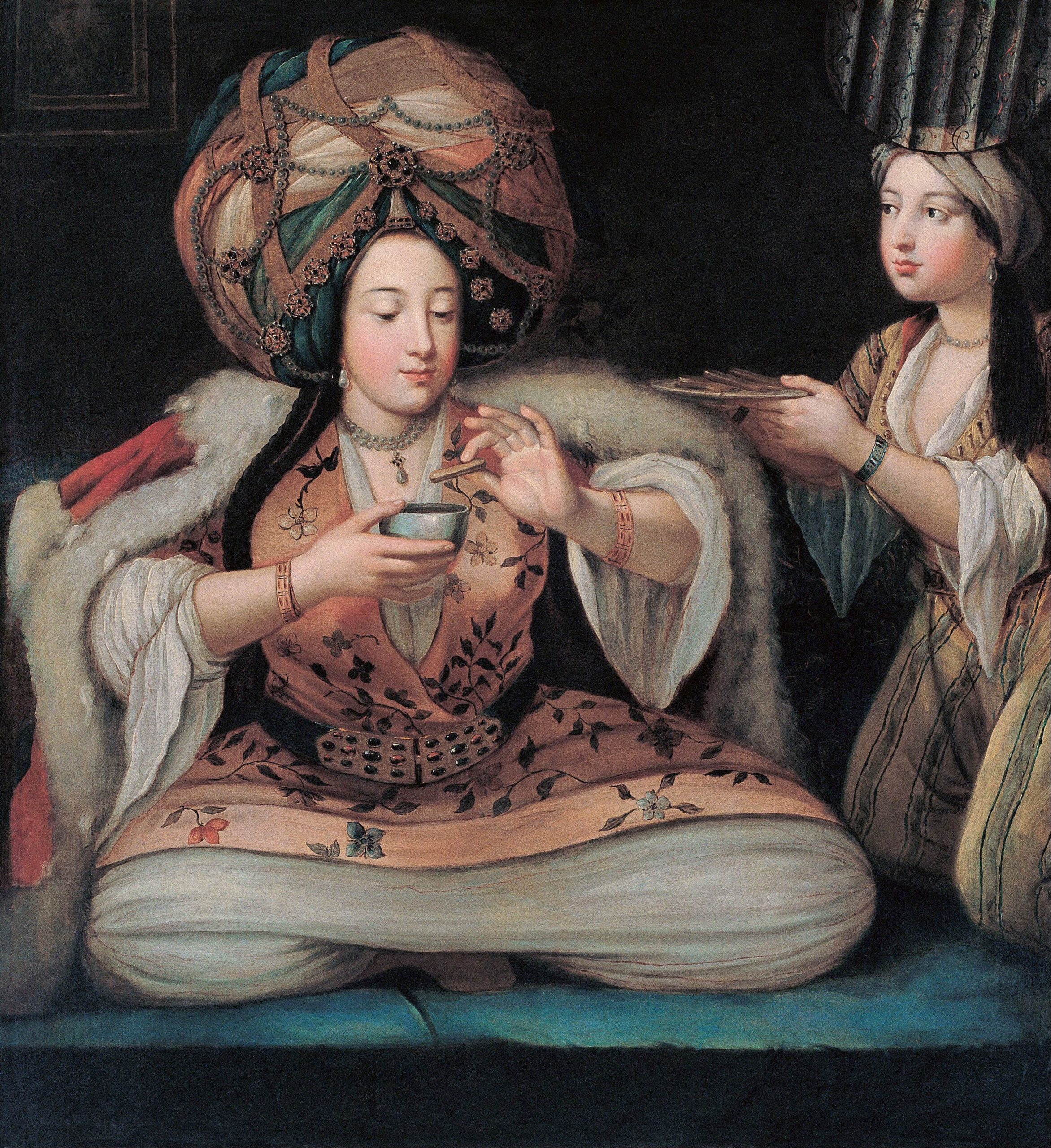
A kávécserje és a kávébabból főzhető idegzsongító ital felfedezésének egymással nehezen összefésülhető eredettörténetei közt a kelet-afrikai származás mellett szólnak a legnyomósabb érvek. Eszerint a kávé őshazája a mai Etiópia délnyugati részén fekvő Kaffa tartomány volt, onnan indult a 10–11. századtól (a kezdetekben lassú) világhódító útjára az álmot űző, melankóliát gyógyító fekete lé. Az európai nyelvek egymással szoros kapcsolatban álló szava (coffee, caffé, café, Kaffee, koffie stb.) s a magyar kávé szó jól látható alaki hasonlóságot mutatnak e tartománynévvel, mégis elképzelhető, hogy e szóbokor inkább az arab qahwah (sötét ital, bor) kifejezésre vezethető vissza, amelyet mi az oszmán-török kahve közvetítésével vettünk át. Kávé és kávéház szavaink e formájukban csak a 18. század végétől kezdtek meghonosodni a magyarban, a korábbi említések alakjai a 17–18. században a Nyugatot járt magyar diákok és utazók nyelvi ötleteit és zavarát mutatták. A 19. század elején és közepén a hazai cégtáblákon még gyakorta volt olvasható a német Kaffeehaus, majd az 1880-as évektől kezdve (már mindenütt a magyar kávéház szó mellett) az összeurópai kulturális vonzalmat megtestesítő francia café avagy grand café felirat.
Stories of the coffee plant and the discovery of the nerve-chilling drink that can be brewed from coffee beans, which are difficult to combine, the most compelling arguments speak in favour of East African origin. According to this theory, coffee is native to Kaffa Province of what is now Southwest Ethiopia. That is where the dark beverage, which banishes sleepiness and melancholy, has spread from, starting slowly in the 10th or 11th century, and ultimately conquering the world. Closely related words in European languages (coffee, caffé, café, Kaffee, koffie, etc.), as well as the Hungarian word “kávé”, are obviously related to the name of the above province. Still, it is possible that these words (also) originate from the Arabic “qahwah” (dark beverage, wine), which we took over through the Ottoman Turkish word “kahve”. The words “kávé” and “kávéház” found their way to Hungarian in the late 18th century. The terms used before that had stemmed from rather confused linguistic ideas of Hungarian travellers and students in the West in the 17th and 18th centuries. In the early and mid-19th century, sign boards of Hungarian businesses often featured the German word Kaffeehaus. Then, from the 1880s, the French words “café” or “grand café” were added to the ubiquitous Hungarian “kávéház” as an expression of pan-European culture.